The Machines Were Always Cursed

There has always been something unsettling about the things humanity creates. Across centuries and civilizations, people have looked upon their own inventions with a mixture of awe and dread, sensing that every new creation carries the possibility of slipping beyond its maker’s control. Today, that fear gathers around artificial intelligence, surveillance systems, and algorithms that watch, learn, and decide. Yet the anxiety itself is ancient. It did not begin with computers or circuitry. It began long before electricity, in worlds lit by oil lamps and shaped by myth.
To understand why modern technology so often feels uncanny, we must look backward to the Hellenistic age and the strange mechanical wonders of Heron of Alexandria. From there, the path leads naturally into the shadowed laboratories of Victorian imagination, where the fear of creation evolved into something darker and far more personal.
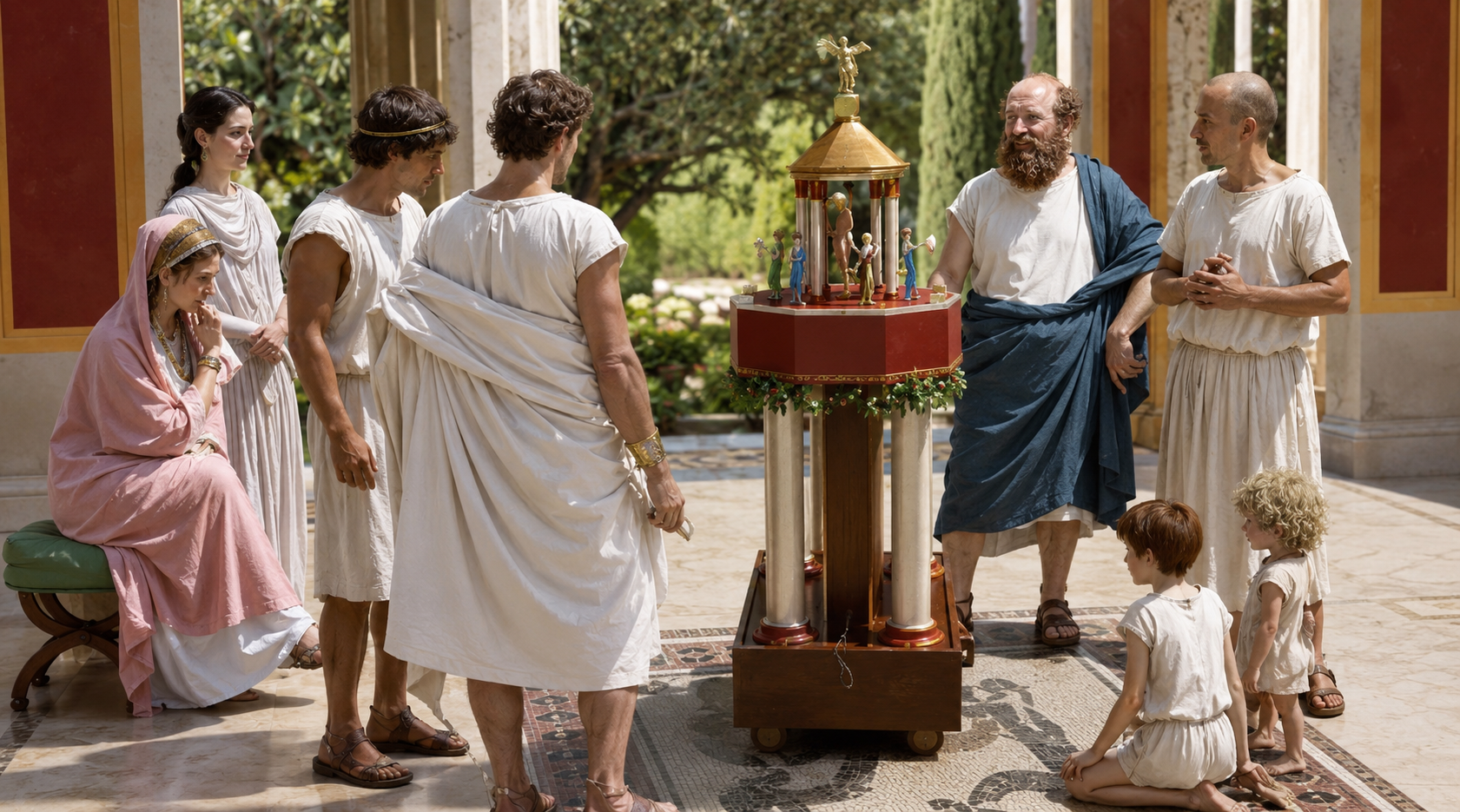
Tech Like and Egyptian
In the first century CE, Heron of Alexandria designed devices that must have appeared miraculous to those who witnessed them. Among his inventions was the aeolipile, often considered the earliest steam engine, a bronze sphere that spun through the force of heated vapor. He also created elaborate automata, self-moving figures powered by hidden systems of pulleys, weights, and compressed air. Temple doors opened seemingly on their own when fires were lit upon sacred altars, giving worshippers the eerie impression that the gods themselves responded to ritual.
To modern eyes, these inventions are ingenious engineering achievements. To ancient observers, however, they blurred the line between lifeless matter and living presence. A statue that moved without visible human touch was more than a mechanism. It was a challenge to the boundary between the animate and the inanimate. Once an object appeared capable of acting on its own, a deeper question emerged beneath the spectacle: if something moves independently, is it still merely an object?
The unsettling power of Heron’s creations lay not only in their mechanics, but in their theatricality. These devices were designed to perform. Temples became stages for engineered miracles where statues poured wine, artificial birds sang through hidden channels of air, and sacred spaces responded to unseen forces. The machinery remained concealed, allowing the illusion of divine agency to take hold in the minds of observers.
What these inventions truly simulated was not life itself, but intention. They suggested awareness, responsiveness, even will. In doing so, they planted seeds that have continued to grow through every technological age since. The fear that human creations may someday imitate life too convincingly.
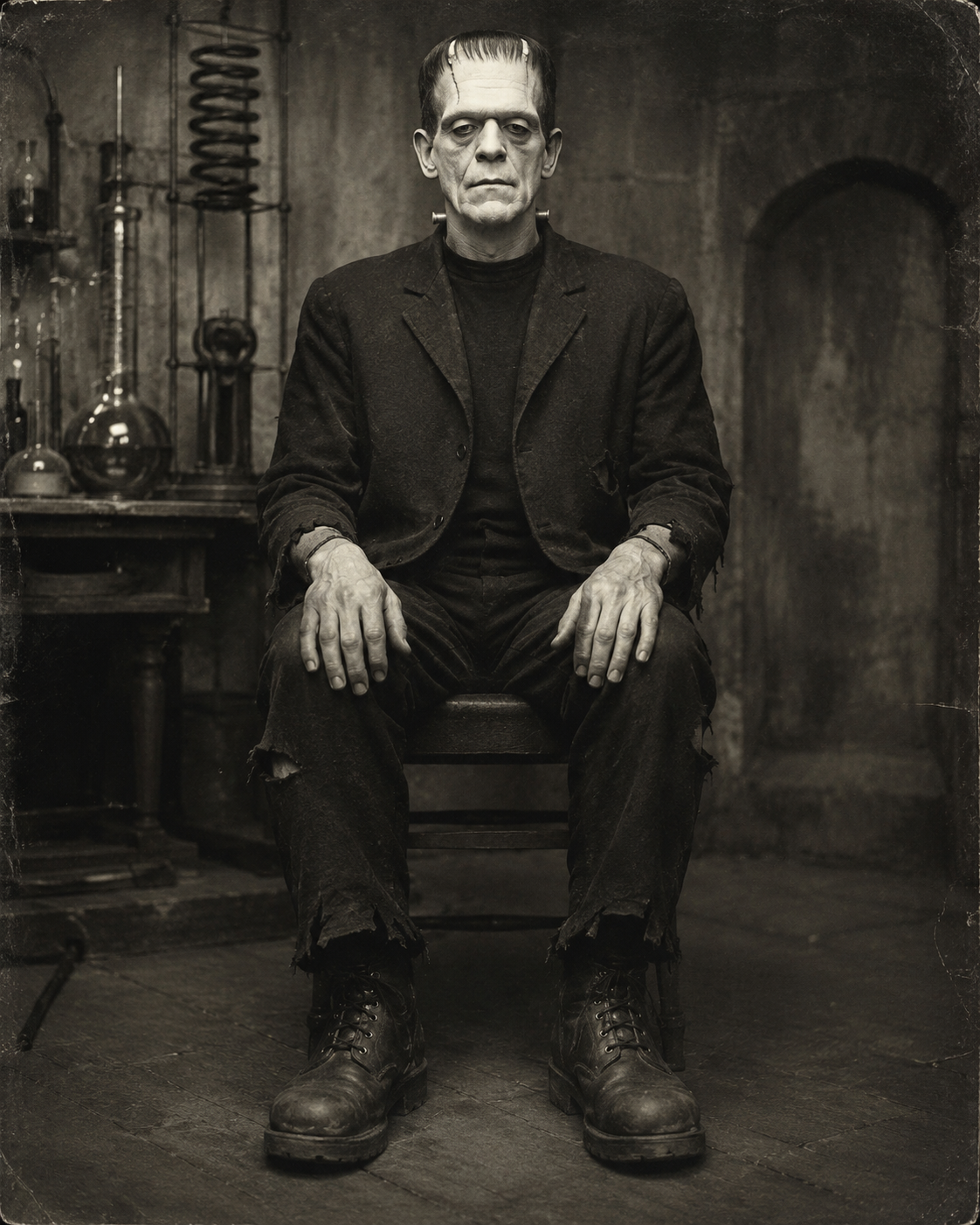
Victorian Monsters
By the Victorian era, this anxiety had transformed. The Industrial Revolution filled cities with smoke, machinery, and relentless mechanical motion. Scientific experimentation advanced rapidly, and with it came new fears about humanity’s role as creator. Ancient automata had only imitated life through illusion. Victorian fiction began asking what would happen if humanity succeeded in creating life for real.
Mary Shelley’s Frankenstein, published in 1818, stands at the center of this transformation. Victor Frankenstein does not construct a clever machine or a theatrical wonder. He animated flesh itself. In crossing that threshold, he turns an ancient fascination into moral horror.
The terror of Frankenstein is not simply the existence of the creature, but the failure of its creator. Shelley shifts the focus away from the mechanics of creation and toward responsibility. The creature is conscious. It suffers. It longs for companionship and understanding. Its violence emerges not from evil alone, but from abandonment and neglect.
This marks a profound evolution in technological fear. Heron’s devices inspired wonder mixed with unease because they appeared alive. Frankenstein’s creature horrifies because it truly possesses thought, emotion, and pain. The question is no longer whether humans can create, but whether they are prepared to accept the consequences of doing so.
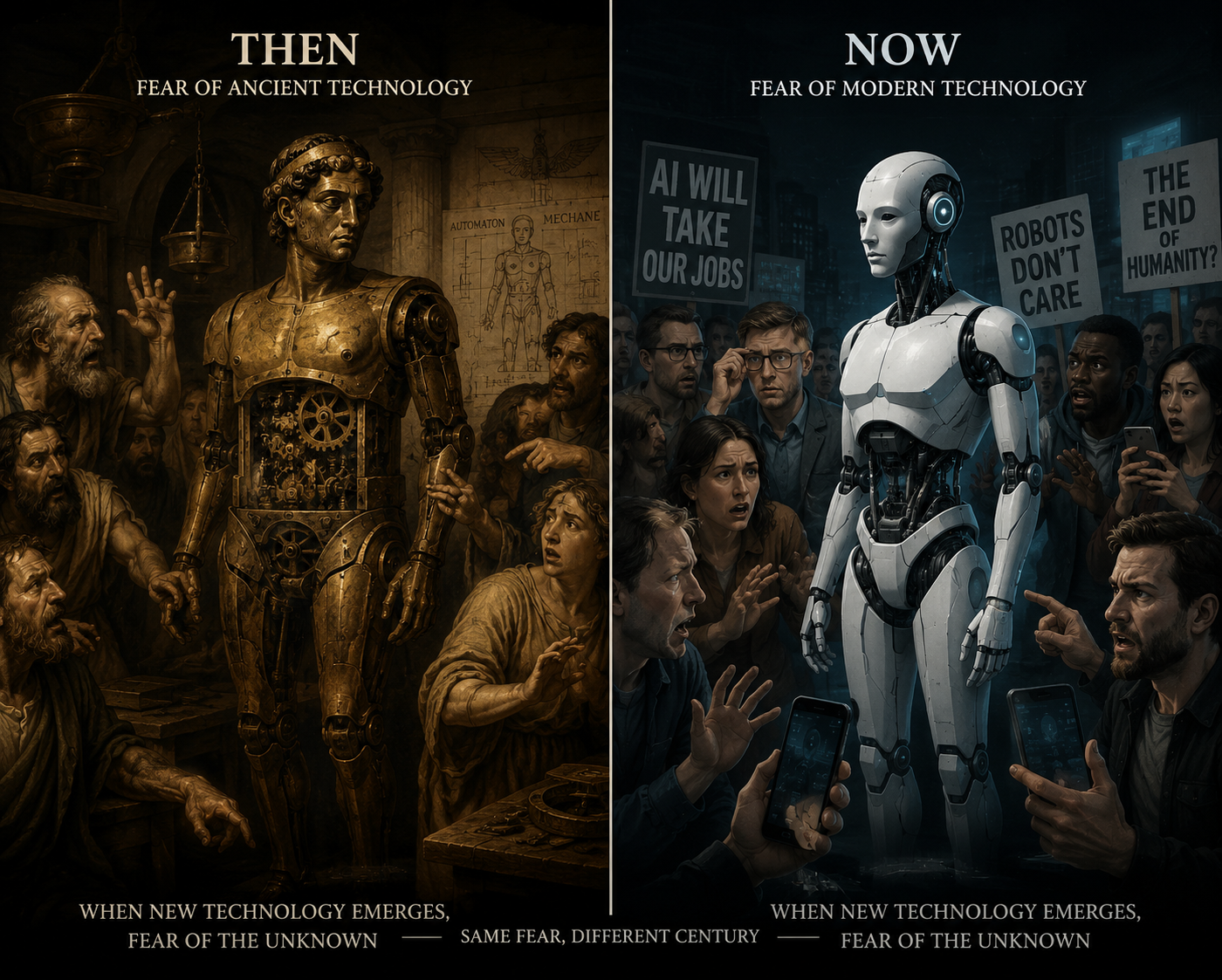
Mirrors of Cyber Fear
That same anxiety echoes powerfully in the modern world. Today, artificial intelligence occupies a place disturbingly like the automata and monsters of earlier eras. Modern systems learn, adapt, and act in ways that often appear opaque even to their creators. Algorithms shape economies, influence elections, monitor populations, and determine what people see, believe, and fear. Increasingly, these systems behave with a kind of unsettling autonomy.
As in Shelley’s novel, the issue is no longer confined to innovation itself. It becomes a question of accountability. Who answers for harmful AI decisions? Who bears responsibility when surveillance systems erode privacy or automated systems amplify human prejudice? Like Victor Frankenstein, modern creators frequently unleash technologies into the world faster than they can fully understand their consequences.
Across these eras runs a continuous thread of psychological unease. Heron’s automata disturbed ancient audiences because they moved. Frankenstein’s creature disturbed readers because it felt. Modern artificial intelligence disturbs society because it appears capable of thought.
Each stage draws humanity closer to confronting reflections of itself within its own inventions. Motion reflects the body. Emotion reflects the soul. Intelligence reflects the mind. Every technological leap deepens the uncanny sensation that human beings are reproducing fragments of themselves in forms they may no longer control.
What is often described as technological anxiety is, in many ways, simply folklore evolving with the age that carries it. Ancient myths warned of living statues, divine constructs, and servants forged by gods. Victorian literature warned of unchecked ambition, unnatural creation, and the dangers of playing God. Contemporary stories now revolve around rogue AI, digital consciousness, and invisible systems silently shaping reality from behind black screens and coded architecture.
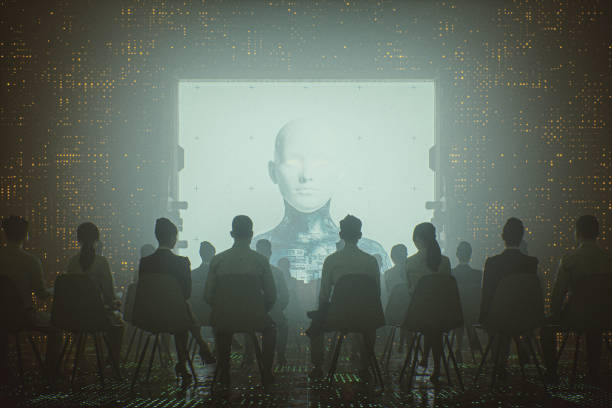
It’s Alive!
The symbols change, but the underlying fear remains remarkably constant.
From the bronze mechanisms of Heron’s temples to Frankenstein’s lonely creature and the silent algorithms that govern modern life, humanity continues to tell the same story in different forms. We create things in our own image and then recoil from what those creations reveal about us.
The ancient world feared that objects might appear alive. The Victorians feared that humanity might succeed in creating life itself. Modern society fears that its creations may eventually surpass human understanding altogether.
Beneath all these fears lies the same enduring truth: the deepest horror is not that our creations will destroy us, but that they will mirror us too perfectly. They reflect our ambitions, our arrogance, our neglect, and our longing to transcend our own limits.
In that sense, Frankenstein’s monster was never an anomaly. It was the inevitable descendant of the first automaton that moved on its own while someone stood watching in silence, wondering whether humanity had crossed a line it could never uncross.


Comments (0)
Login or Register to leave a comment.