The Hookman

Long before smartphones, social media, and brightly lit parking lots, young couples searching for privacy had only one option: they went parking. On warm summer nights, they drove down lonely country roads or into secluded lovers' lanes, hoping to steal a few quiet moments together beneath the stars. But according to one of America's most frightening urban legends, they were never truly alone. Somewhere in the darkness, something else was waiting. Perhaps that's why so many lonely roads today are flooded with bright lights. Or perhaps the Hookman simply learned to hide in the shadows.
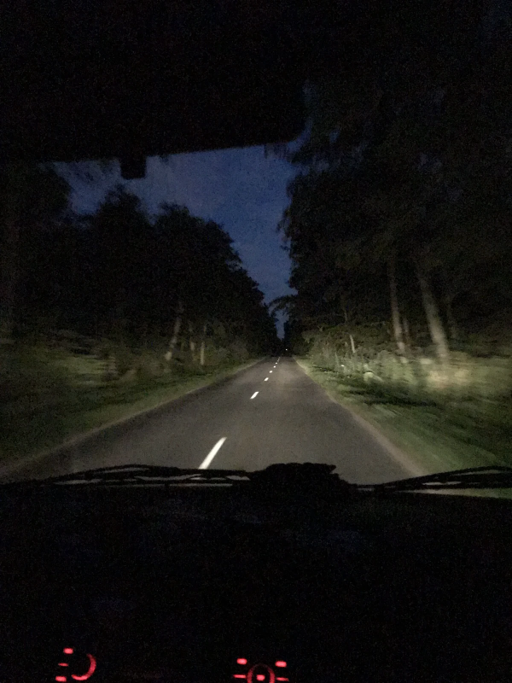
The Legend
The classic version of the Hookman legend begins with a young couple parked along a deserted road, the radio softly playing in the background. Their evening is interrupted by a breaking news bulletin announcing that a dangerous killer has escaped from a nearby institution. The escaped man is easily identified by one horrifying detail: He has a hook where one of his hands should be.
As fear overcomes passion, the couple quickly decides to leave. Once they arrive safely at the girl's house, the young man walks around to open her car door. Hanging from the handle is a bloody hook. That chilling ending has inspired countless variations over the decades.
In one version, the couple hears something scraping along the side of the car but dismisses it as an animal. In another, they glimpse a shadowy figure watching from the trees before narrowly escaping. Some versions end much darker: the boyfriend leaves the car to investigate a strange noise and never returns. When the girl finally steps outside, she discovers his mutilated body.
Each retelling changes the details, but the fear remains the same. Isolation, youthful vulnerability, and the terrifying possibility that something is watching from just beyond the headlights.
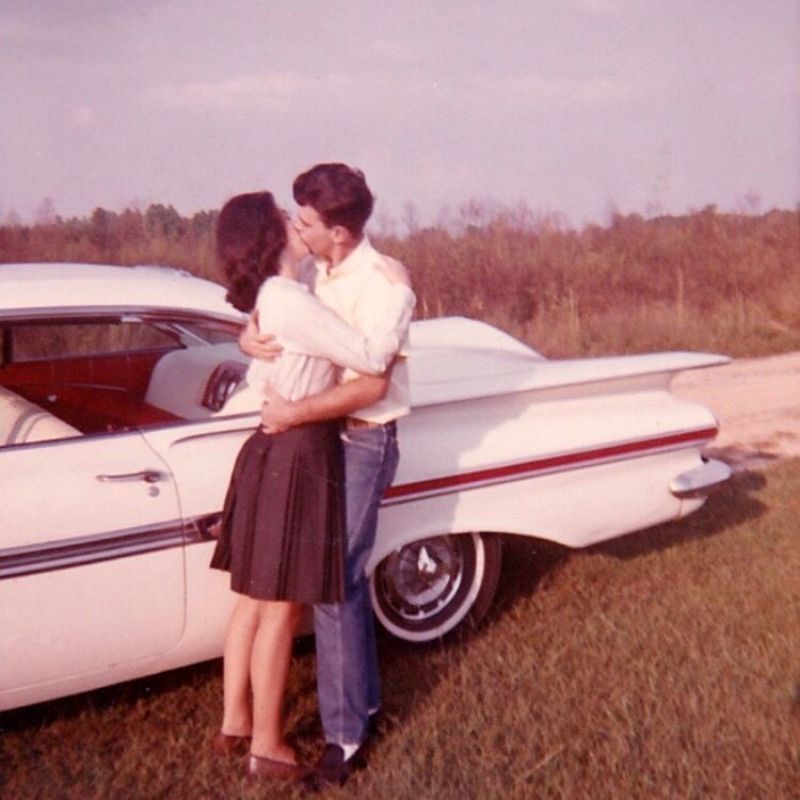
Origins of the Hookman
Like many urban legends, the Hookman's true origins are impossible to pin down. Folklorist Jan Harold Brunvand, one of America's foremost experts on urban legends, traced the story to the United States during the 1950s. By the end of the decade, teenagers across the country were telling the tale in countless variations, each claiming it had happened to a friend of a friend.
The legend entered print on November 8, 1960, when Dear Abby published a reader's letter telling the now-famous story. Whether the account was true hardly mattered. It served exactly the purpose intended: frightening young couples away from secluded lovers' lanes. Urban legends rarely survive because people believe every detail. They survive because they feel possible.
The Texarkana Moonlight Murders
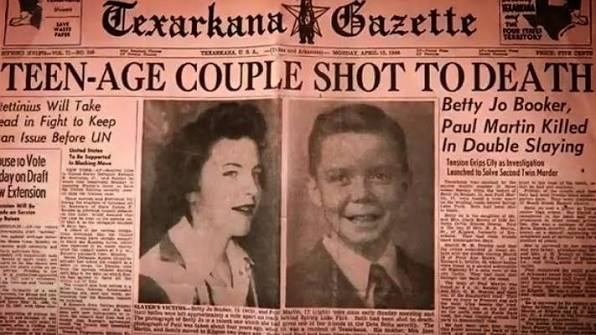
Some researchers believe the Hookman legend may have been influenced by real crimes. In 1946, the Texarkana Moonlight Murders spread panic across Texas and Arkansas. An unknown attacker preyed on young couples parked along secluded roads during the night. Between February and May, several attacks left multiple victims dead or seriously wounded.
Unlike the Hookman legend, the murderer carried a gun rather than a hook. He was never identified with certainty, and despite extensive investigations involving local, state, and federal authorities, the crimes officially remain unsolved.
The murders terrified entire communities. Residents locked themselves indoors after dark, purchased firearms and extra locks, and waited anxiously for news of another attack. Whether these murders directly inspired the Hookman story remains uncertain, but they demonstrate how real-world tragedies often evolve into folklore.
The Folklore Behind the Killer
The Hookman is more than a monster that lurks in the woods. Many folklorists believe the legend reflects society's anxieties about youth, independence, and sexuality. For decades, the story functioned as a cautionary tale. Young couples seeking privacy were warned that dangerous consequences could follow poor decisions. During the cultural upheavals of the 1960s when attitudes toward sex, drugs, and personal freedom were rapidly changing the legend found an eager audience.
Its influence can still be seen throughout horror fiction. Films such as Friday the 13th frequently feature young couples who venture into isolated places only to become victims of relentless killers. A Nightmare on Elm Street similarly targets teenagers, turning youthful vulnerability into horror. Whether intentional or not, these stories echo the same warning that made the Hookman unforgettable. Leave the safety of civilization behind, and something may already be waiting.
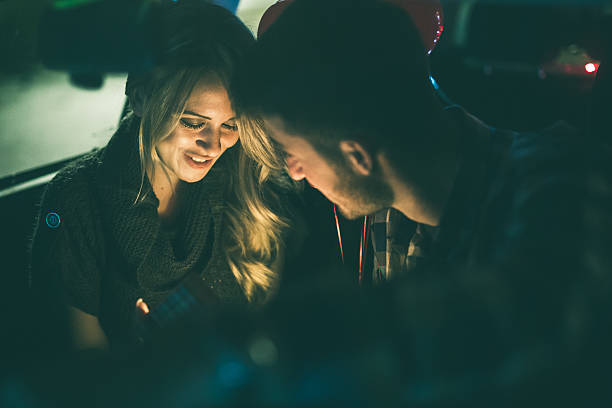
Todays Hook
The world has changed dramatically since the Hookman first appeared. Today's teenagers are less likely to spend evenings parked on deserted back roads. Cities have expanded, rural highways are brighter than ever, and privacy often exists behind glowing phone screens rather than beneath moonlit skies. Yet the Hookman refuses to disappear.
Perhaps that is because the legend was never really about lovers' lanes. It is about the fear of isolation. About hearing an unexpected sound outside the car. About realizing that the darkness beyond the headlights is deeper than it first appeared. Every generation invents its own monsters. Some wear masks. Some haunt dreams. And some stand silently beside an empty road, waiting for the next car to stop.
So, if you ever find yourself parked beneath a lonely stretch of trees on a warm summer night, listening to the quiet settle around you. Before opening the car door, take one last look at the handle. You never know what might already be hanging there.


Comments (0)
Login or Register to leave a comment.