Female Vampires: The Forgotten Daughters of Darkness

Before Dracula ever stepped into a Gothic castle, the night already belonged to women. Mythologies across the ancient world filled their darkest corners with female blood-drinkers, creatures far older and far more monstrous than the velvet-clad aristocrat who later claimed the name of vampire. The modern imagination prefers him: elegant, mysterious, almost romantic. History preferred something else. It preferred her, ravenous, unbound, and hungry for lives that should have been safe.
When people picture a vampire today, they usually see a gentleman in black. He buys property, entertains guests, and moves through polite society with the ease of a man who has never been told no. His refinement is part of his predation. It softens the horror until the horror becomes desirable. Long before that figure entered popular literature, though, folklore remembered female predators who did not bother with charm. They drank blood, stole infants, stalked mothers, and brought death into the household. They were witches, night-birds, skin-shedders, and devouring spirits. The male vampire often stands for a predator inside society. The female vampire more often stands for a predator against life itself.
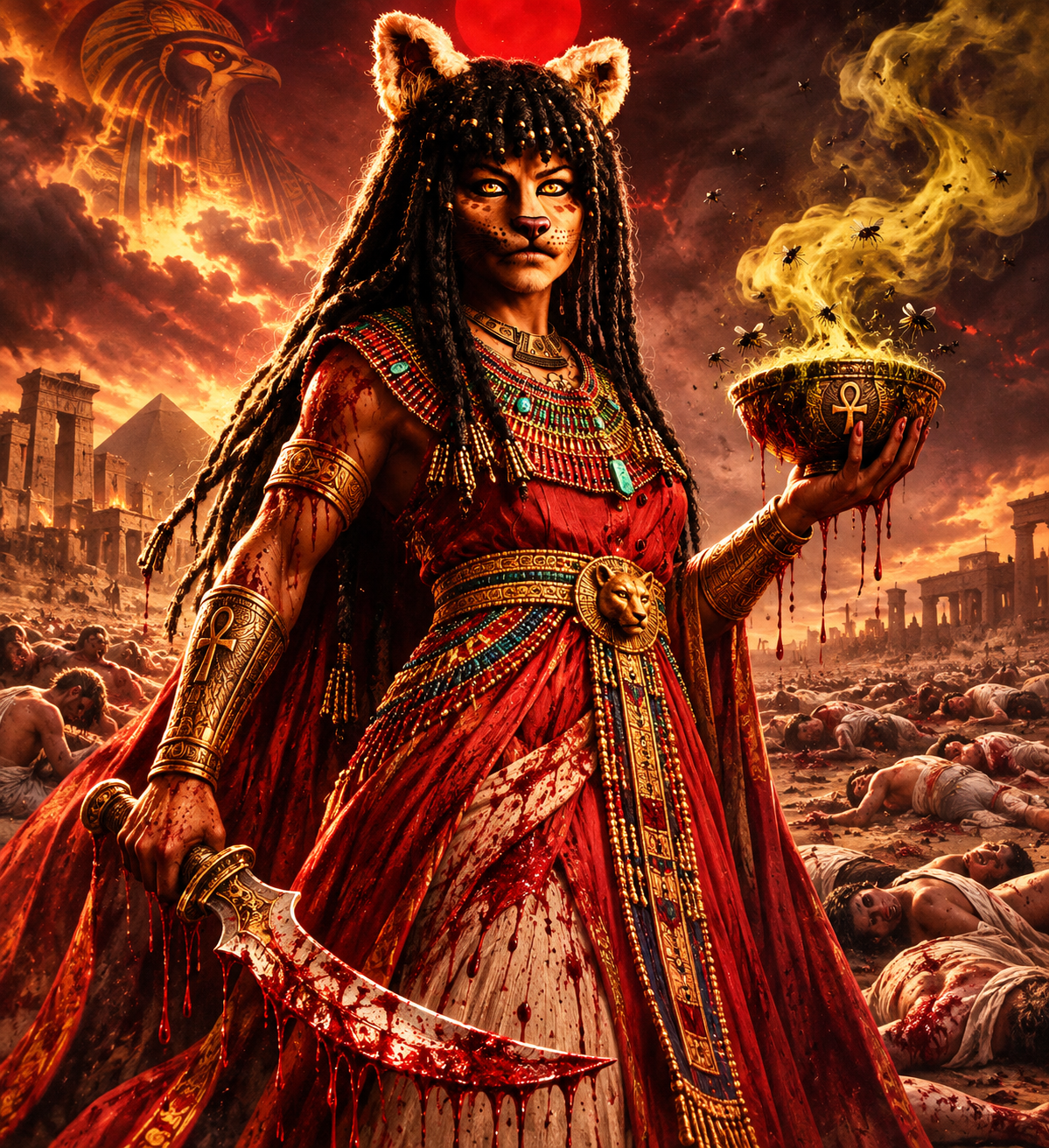
Before Dracula, There Were Goddesses and Monsters
Some of the earliest beings associated with bloodlust were female, even if they were not undead in the modern sense. In ancient Egypt, the goddess Sekhmet embodied divine fury, plague, and slaughter. In the Destruction of Mankind narrative, the Eye of Ra, linked with Sekhmet, turns upon humanity and becomes lost in the joy of killing. The gods finally halt her by flooding the earth with beer dyed red like blood. Mistaking it for the real thing, she drinks until she is drunk, and only then does the massacre end. Sekhmet does not seduce. She does not ask permission. She is destruction given a woman's form.
In Mesopotamia, Lamashtu was feared as a threat to pregnant women, mothers, and infants. Her body mixed human and animal traits: a lion-like head, a woman's body, and claws meant for tearing. Where a mother was supposed to protect, Lamashtu arrived to destroy. Ancient Greece told of Lamia, a child-devouring monster whose hunger haunted later blood-drinking traditions. Rome feared the strix, a nocturnal owl-like creature tied to attacks on infants, a figure where witchcraft, night flight, and blood-drinking bled into one another. Centuries later, Caribbean lore kept the soucouyant, often an old woman who sheds her skin by night and travels as a ball of fire to drain the living.
These beings rose from different lands and languages, yet they share the same cold pattern. They are hungry. They are dangerous. And they are repeatedly tied not to the preservation of life, but to its ruin.
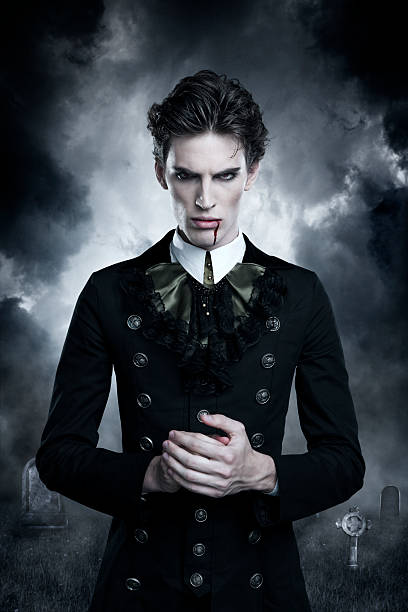
The Gentleman Vampire Versus the Monstrous Woman
Now set Bram Stoker's Dracula beside them. He is deadly, yes, but he is also an aristocrat. Wealth, education, and social standing let him purchase estates, conduct business, and pass among the respectable. His polish is not decoration. It is camouflage. The literary male vampire often wears the virtues society already praises in men: confidence, authority, mystery, and power. Even his appetite can be romanticized into desire.
That is why he is not quite as frightening as the older female blood-drinkers. His methods are familiar. Women have long been warned about charming men who use trust and status to hide harm. The vampire simply gives that warning fangs. The ancient female predator works by a different law. She does not need admiration, romance, or companionship. She needs to feed. Sekhmet has no courtship. Lamia needs no title. The strix sends no invitation to dinner. These creatures are not bound by the manners that keep society calm, and that refusal is what makes them terrible.
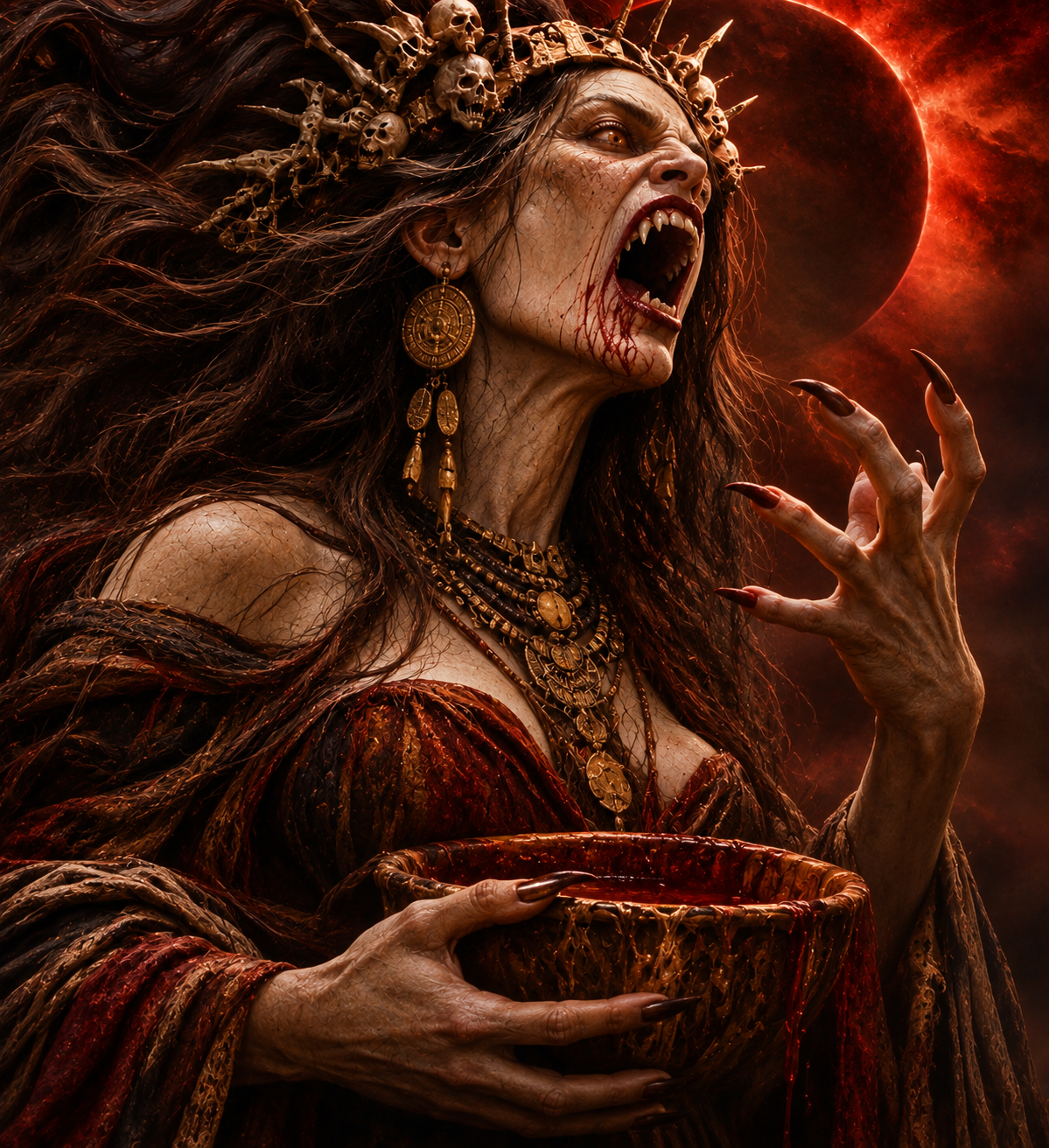
The Devouring Mother
The darkest thread in female vampire folklore is motherhood turned inside out. Across many cultures, women were expected to nurture, protect, and sustain life. The mother stood for safety. Folklore asks what happens when that promise breaks. What happens when the figure meant to guard the child becomes the thing that consumes it?
Lamashtu, Lamia, and the strix answer that question with blood. Instead of feeding the vulnerable, they feed on them. Instead of guarding the cradle, they empty it. This is the image of the devouring mother, maternal power made destructive rather than protective. The horror is not only violence. It is the violation of the one relationship people most want to trust. A dangerous stranger is frightening. A dangerous mother unmakes the idea of home.
These stories also grew in worlds where childbirth, infant death, and sudden disease were ordinary terrors. A supernatural woman who preyed on mothers and children gave shape to losses that medicine could not yet explain. The female monster became a face for grief, dread, and the knowledge that life itself can turn predator.
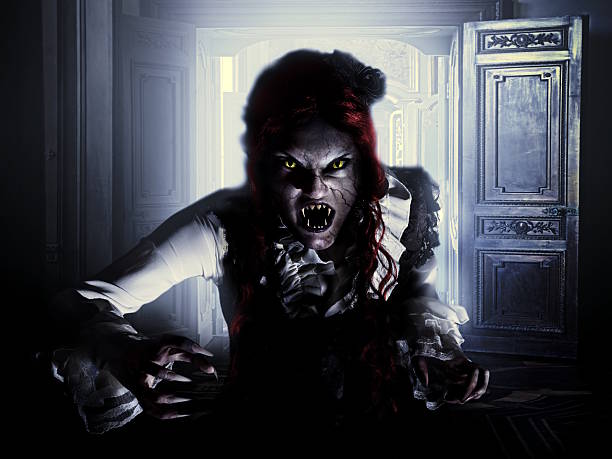
Women Who Would Not Be Contained
There is another darkness in these legends. Historically, women were expected to show restraint in anger, appetite, sexuality, and ambition. The ancient female blood-drinker does the opposite. She consumes without apology. She burns with rage. She follows her hunger wherever it leads. She cannot easily be owned, quieted, or rewritten into obedience.
Her appetite is not only physical. Symbolically, it can stand for a woman who refuses to shrink herself for anyone else's comfort. The male vampire may break rules while still keeping the privileges of masculine authority. The female monster threatens the rules themselves. She will not remain the obedient daughter, the devoted wife, or the endlessly giving mother. In societies that bound women's worth to those roles, such refusal could be painted as monstrosity.
That does not mean every female vampire tale was invented to punish independent women. These traditions are older and stranger than any single reading. Still, the pattern returns too often to ignore. A man who hungers for power may be crowned. A woman whose hunger cannot be controlled may be damned.
The Forgotten Daughters of Darkness
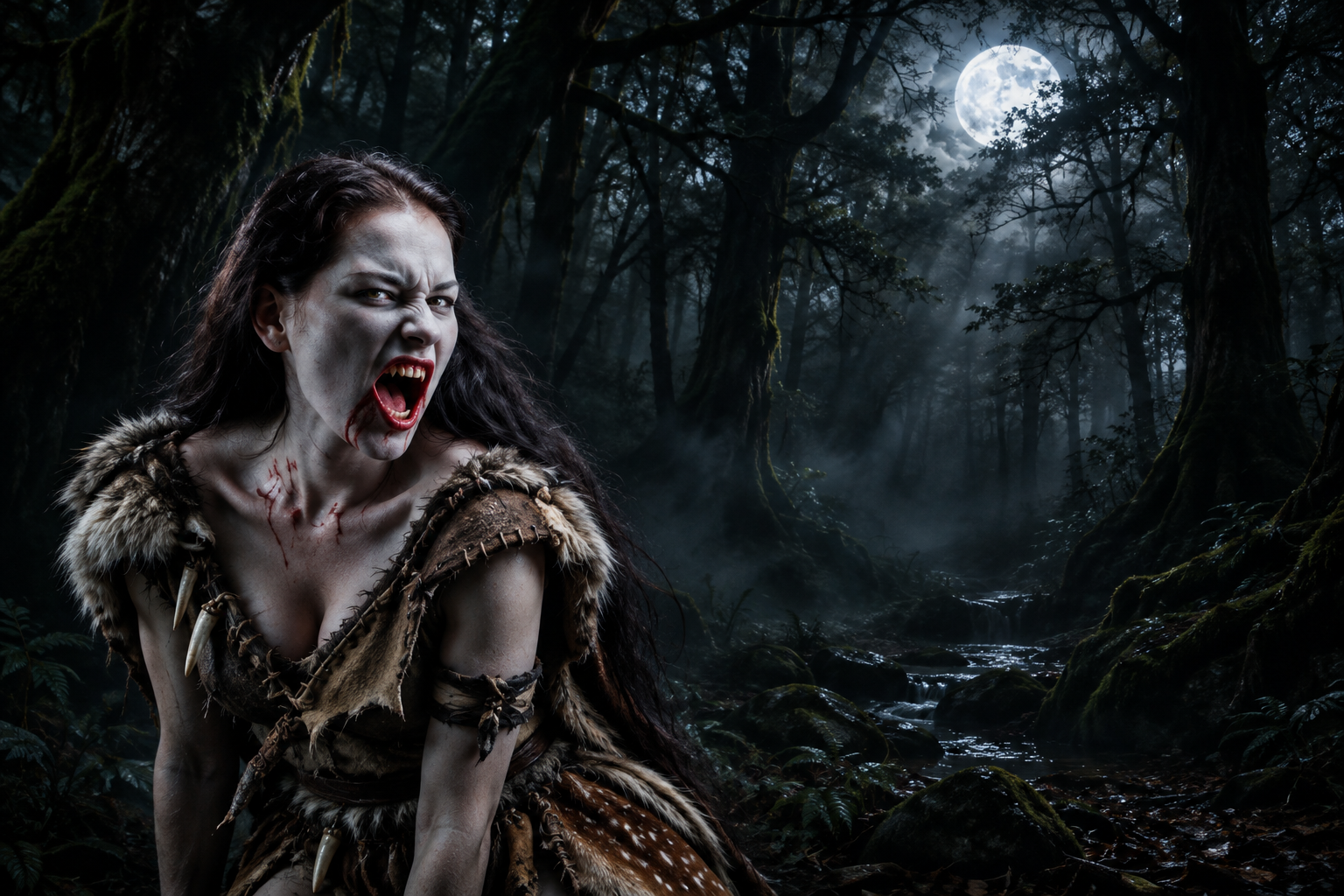
The great irony of vampire history is that the elegant gentleman has become the public face of a lineage that begins with some of humanity's oldest female horrors. The modern vampire wears velvet, keeps a castle, and whispers of immortality. His ancient sisters wore animal skins, shed their human shapes, rode the night as fire or owl, and took the lives they were never meant to touch. They are not always beautiful. They are not always tragic. They do not ask to be loved.
Beneath their monstrous forms lies something painfully human: fear of death, fear of childbirth, fear of female power, and the darkest possibility of all, that those trusted to protect life might instead destroy it. The forgotten daughters of darkness remind us that the vampire was not always a romantic stranger waiting in the shadows. Sometimes she was the shadow. And she was hungry.


Comments (0)
Login or Register to leave a comment.