Why Do Vampires Sleep in Coffins?

The image feels almost inevitable. Night settles across the landscape. Somewhere beneath the earth, a wooden lid groans open. A pale figure rises from the darkness within.
The vampire's coffin has become one of the most recognizable images in horror. It appears in novels, films, folklore, and popular culture so often that it is easy to assume the connection was invented simply for dramatic effect. Yet the relationship between vampires and coffins reaches much deeper than fiction. It emerges from centuries of burial customs, ancient beliefs, and one of humanity's oldest fears: that the dead might not remain dead.
Long before vampires became charming aristocrats or supernatural predators, they were something far more unsettling. They were believed to be the restless dead. To understand why vampires, sleep in coffins, we must step into a world where the grave was not always trusted and where death was never considered entirely secure.
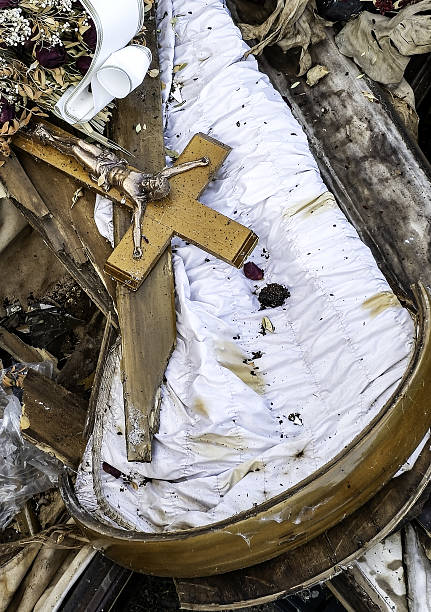
The Restless Dead Were Real to Those Who Feared Them
In the folklore of Eastern Europe, particularly in regions such as Serbia, Romania, and Bulgaria, stories of revenants were taken seriously. These creatures were not thought to be ghosts or spirits drifting through the night. They were believed to be physical corpses that had somehow returned from the grave.
Accounts described bodies that appeared strangely preserved after burial. Some were said to look bloated, ruddy, or unnervingly lifelike. Villagers often interpreted these signs as proof that the dead had become active once more.
To modern eyes, these observations can often be explained by natural processes of decomposition. For those living centuries ago, however, such explanations did not exist. When illness spread through a community or a string of deaths followed a burial, suspicion frequently fell upon the recently deceased.
Fear drove people to exhume graves and inspect bodies. If a corpse appeared unusual, measures were taken to ensure it could not rise again. The dead were not viewed as distant memories. They remained a presence beneath the soil, capable of disturbing the fragile boundary between life and death.
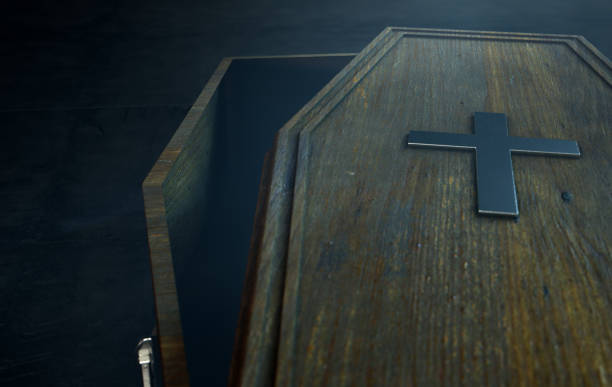
The Coffin: A Barrier Between Worlds
This is where the coffin becomes significant. Today, a coffin is often viewed as a simple burial container. In earlier centuries, it represented something much more important. It served as a barrier between the living and the dead.
For communities haunted by stories of revenants, containment mattered. The body had to remain where it belonged. Burial rituals, prayers, and physical barriers all worked together to secure the dead within the grave.
The coffin formed part of this protective system. Enclosed within wood and buried beneath layers of earth, the corpse was separated from the world above. The grave itself became a boundary that should never be crossed. Yet folklore is filled with stories of boundaries failing.
When a death was considered unnatural, when burial rites were neglected, or when a corpse was suspected of becoming restless, people often believed the protections of the grave could weaken. Additional precautions were sometimes taken to prevent the dead from returning. The fear was simple and ancient. If the dead could rise, then the coffin was humanity's first line of defense.
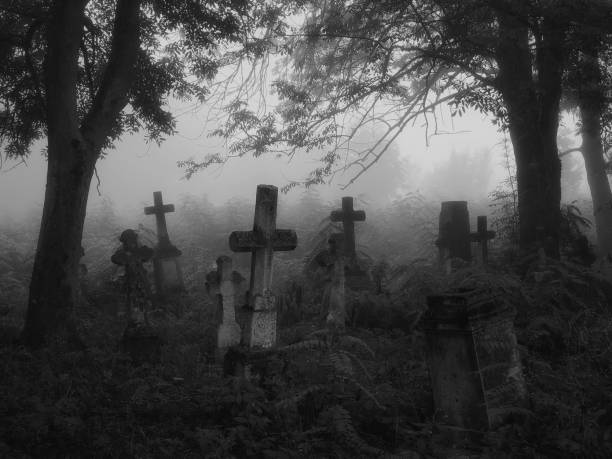
Native Soil and the Pull of the Grave
One of the most enduring elements of vampire lore is the belief that a vampire must rest in its native soil. While popularized through Gothic fiction, this idea reflects older traditions surrounding burial and belonging. Throughout many cultures, the ground in which a person was buried carried spiritual significance. Familiar earth, sacred ground, and proper burial rites were believed to help the dead rest peacefully.
To be separated from that resting place could be deeply troubling. In some traditions, improper burial increased the risk of a spirit becoming unsettled. Vampire legends transformed this belief into something more literal. The undead creature carries soil from its homeland and sleeps within it, maintaining a connection to the place that first received its body.
Beneath the supernatural imagery lies an older truth. The dead belong to the earth that claims them. When that bond is broken, folklore warns that the grave may no longer hold its occupant.
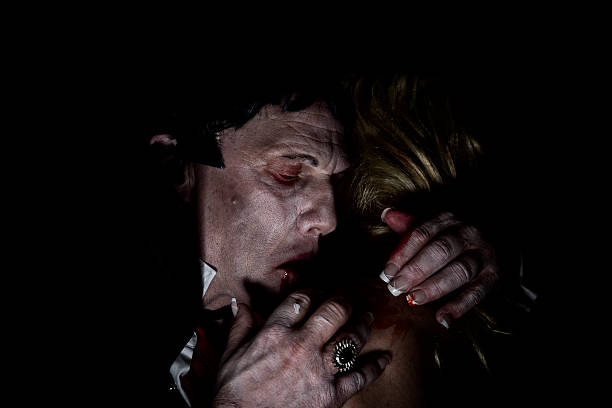
Why the Vampire Must Return to Death
Unlike many monsters, the vampire exists in a state of contradiction. It feeds upon the living, moves through the world, and possesses unnatural power. Yet it remains inseparably linked to death. It is neither fully alive nor truly dead. Because of this, the vampire must return to the grave.
The coffin is not simply a place to sleep. It is a place of reversion. During daylight hours, the vampire retreats to a space associated with burial and stillness. The creature that roams at night becomes dormant once more, returning to the condition from which it emerged.
This is why the discovery of a vampire's coffin is so important in folklore and fiction. The coffin serves as an anchor. It ties the creature to its origins and to the grave itself. Locating the coffin is to uncover the source of the vampire's connection to the world. To destroy it is to threaten the fragile balance that sustains the undead.
From Folklore to Gothic Fiction
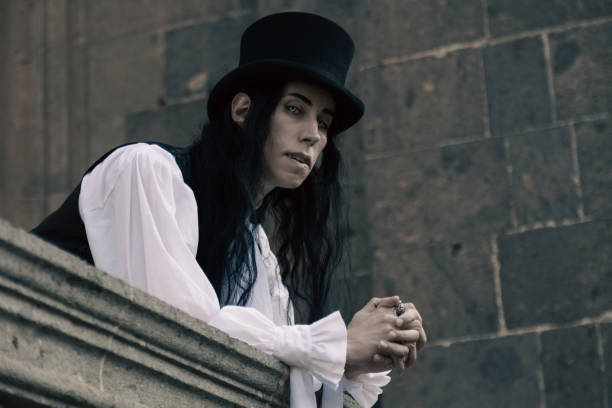
When vampire legends entered Western literature, the coffin remained central to the myth. Bram Stoker's Dracula preserved many older folklore traditions while reshaping them for a Victorian audience. Count Dracula does not merely seek darkness. He rests within coffins filled with soil from Transylvania, carrying fragments of his homeland wherever he travels.
This detail reflects a much older belief that the dead cannot exist without a connection to their place of burial. The vampire may cross oceans and borders, but it can never fully escape death. It remains tethered to the grave, forever dependent upon the earth from which it rose. This dependence gives the vampire much of its tragic power. Despite its apparent immortality, it is never totally free.
The Uneasy Symbolism of the Coffin
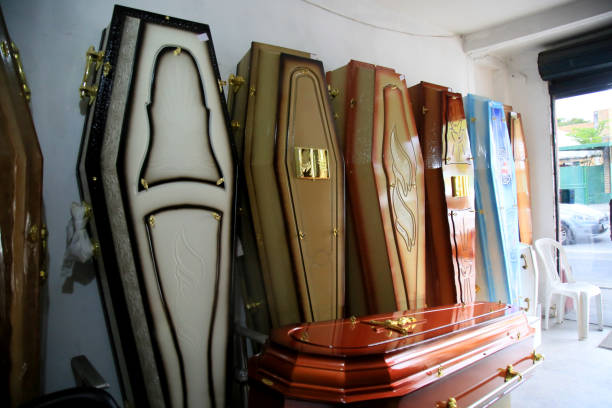
It is no coincidence that vampires are associated with coffins rather than modern caskets. The traditional coffin, narrow and shaped to fit the body, reflects older attitudes toward death. It is restrictive, intimate, and final. It speaks of necessity rather than comfort.
Modern caskets often soften the reality of death. They are designed for viewing and remembrance. They belong to a world that seeks to make mortality less frightening. The vampire belongs to an older world.
It emerges from centuries of superstition, fear, and uncertainty. It comes from a time when graves were watched carefully, and strange events were attributed to the dead beneath the earth. For such a creature, the coffin feels entirely appropriate. It is not merely a bed. It is a prison, a refuge, and a reminder of what the vampire truly is.
What the Coffin Really Represents
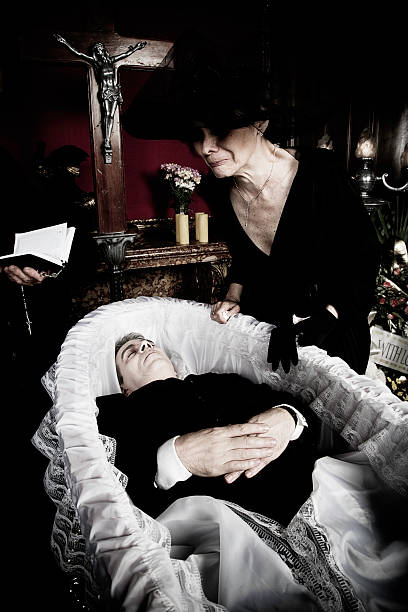
The enduring image of the vampire rising from a coffin persists because it touches something ancient within us. The coffin represents a boundary. It marks the separation between life and death, order and chaos, rest, and unrest.
In folklore, the coffin was meant to contain the dead and protect the living. In vampire stories, that purpose becomes twisted. The very object designed to imprison the dead becomes the place from which they emerge repeatedly. That contradiction lies at the heart of the vampire myth.
The vampire does not belong among the living, yet it refuses to remain among the dead. It exists in the uneasy space between worlds, forever returning to the coffin that should have kept it buried. Perhaps that is why the image remains so powerful. The creaking lid, the silent figure within, and the darkness of the grave all remind us of a fear that has haunted humanity for centuries.
Some boundaries are meant to remain closed. And some things, once buried, should never rise again. This version should fit much more naturally alongside dark folklore, Gothic history, and supernatural belief articles while maintaining a polished editorial style.


Comments (0)
Login or Register to leave a comment.