Vampires of the Wild West

The American West conjures images of dusty cattle trails, lonely frontier towns, outlaws, and endless horizons. It is easy to imagine these stories existing in a world entirely separate from the candlelit drawing rooms and crumbling castles of Victorian Gothic fiction. Yet they unfolded at exactly the same time. While Sheridan Le Fanu introduced readers to Carmilla in 1872 and Bram Stoker would later immortalize Dracula in 1897, newspapers across the American frontier were already printing stories of mysterious blood drinkers, wasting illnesses, and nocturnal visitors. The vampire was never confined to Europe. It found its way into the fears of the American frontier, where isolation, disease, and superstition allowed old folklore to take root in new soil.
The Boarding House Vampire
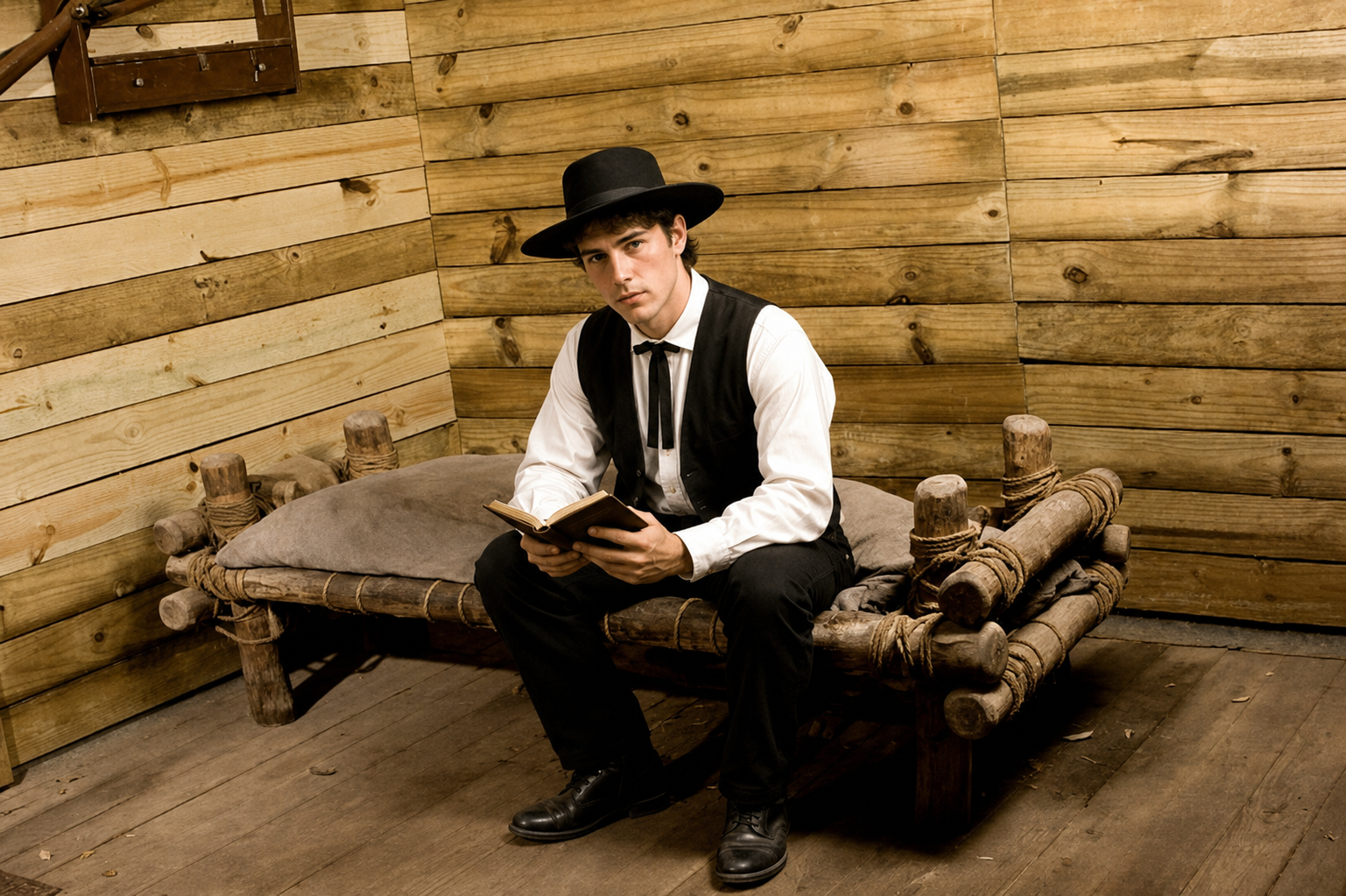
While not exactly the “Wild West”, Ohio is wild west adjacent. One of the earliest accounts appeared in Cincinnati in 1867 when The Cincinnati Enquirer reported the strange illness of a young man living in a boarding house. Night after night he grew weaker. His skin became unnaturally pale, and he complained of mysterious puncture wounds that appeared while he slept. He insisted something entered his room after dark and fed upon him as he lay helpless in bed.
A concerned friend volunteered to keep watch through the night, determined to expose whatever haunted the room. Instead, he reportedly awoke with similar wounds upon his own body. The attacks ceased only after the young man abandoned the boarding house altogether. Other residents quietly admitted they, too, had experienced strange disturbances within the same room.
Whether readers accepted the story as truth or dismissed it as sensational journalism, its details echoed centuries of European vampire tradition. Across Romania, Serbia, Greece, and the Balkans, mysterious illness, gradual wasting, and unexplained weakness were among the first signs that the undead had returned to feed upon the living.
The Yellow Springs Incident
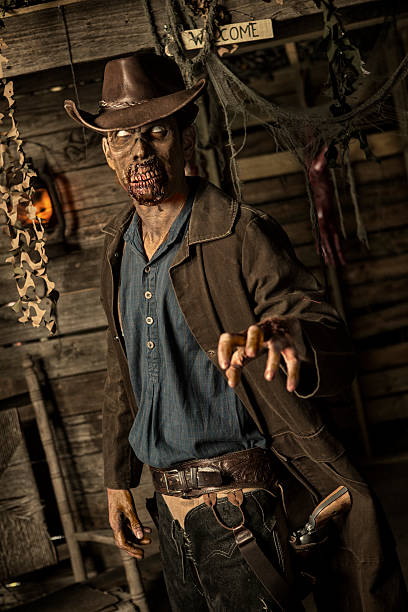
Another unsettling account emerged in 1879 beneath the chilling headline Doom of a Human Vampire. The story recounted the experience of William Wilson, postmaster of Yellow Springs, Ohio, who claimed to have encountered something impossible while walking home near the ancient earthworks known as Old Town.
Wilson described a figure that appeared almost human yet profoundly wrong. Its limbs were bare, its fingernails stained with fresh blood, and its face possessed an unnatural expression that seemed caught somewhere between life and death. The creature silently followed him before finally revealing its dreadful identity. It claimed to be the restless spirit of a boy who had become a blood drinker at only fourteen years of age. Moments later, the figure disappeared into the darkness as mysteriously as it had appeared.
The Lafayette Vampire
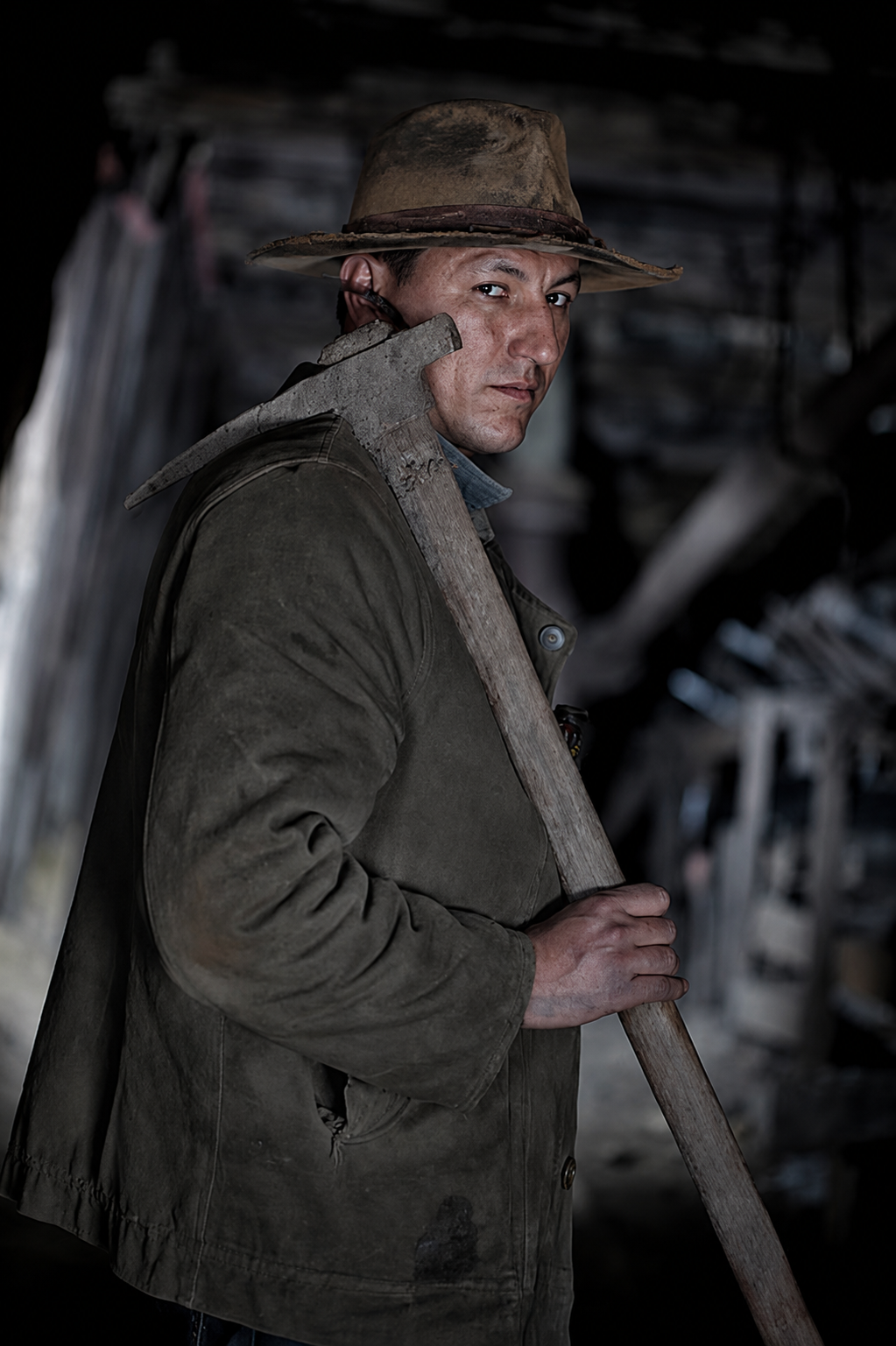
Colorado possesses its own vampire legend in the story of Teodor Fodor Glava, a Romanian coal miner who died during the devastating Spanish Flu pandemic of 1918. Born in Transylvania, Glava's origins alone were enough to inspire generations of local folklore.
As the story evolved, his grave became the resting place of a vampire. When his body was supposedly exhumed, witnesses claimed his fingernails had grown unnaturally long and his teeth had become sharp enough to resemble fangs. Modern forensic science recognizes these changes as ordinary effects of decomposition, caused by the shrinking of skin after death. Yet to those steeped in old traditions, they were unmistakable signs that the dead had refused to remain dead. Legend says that a wooden stake was driven through Glava's heart before he was buried once again.
Vampire Cats
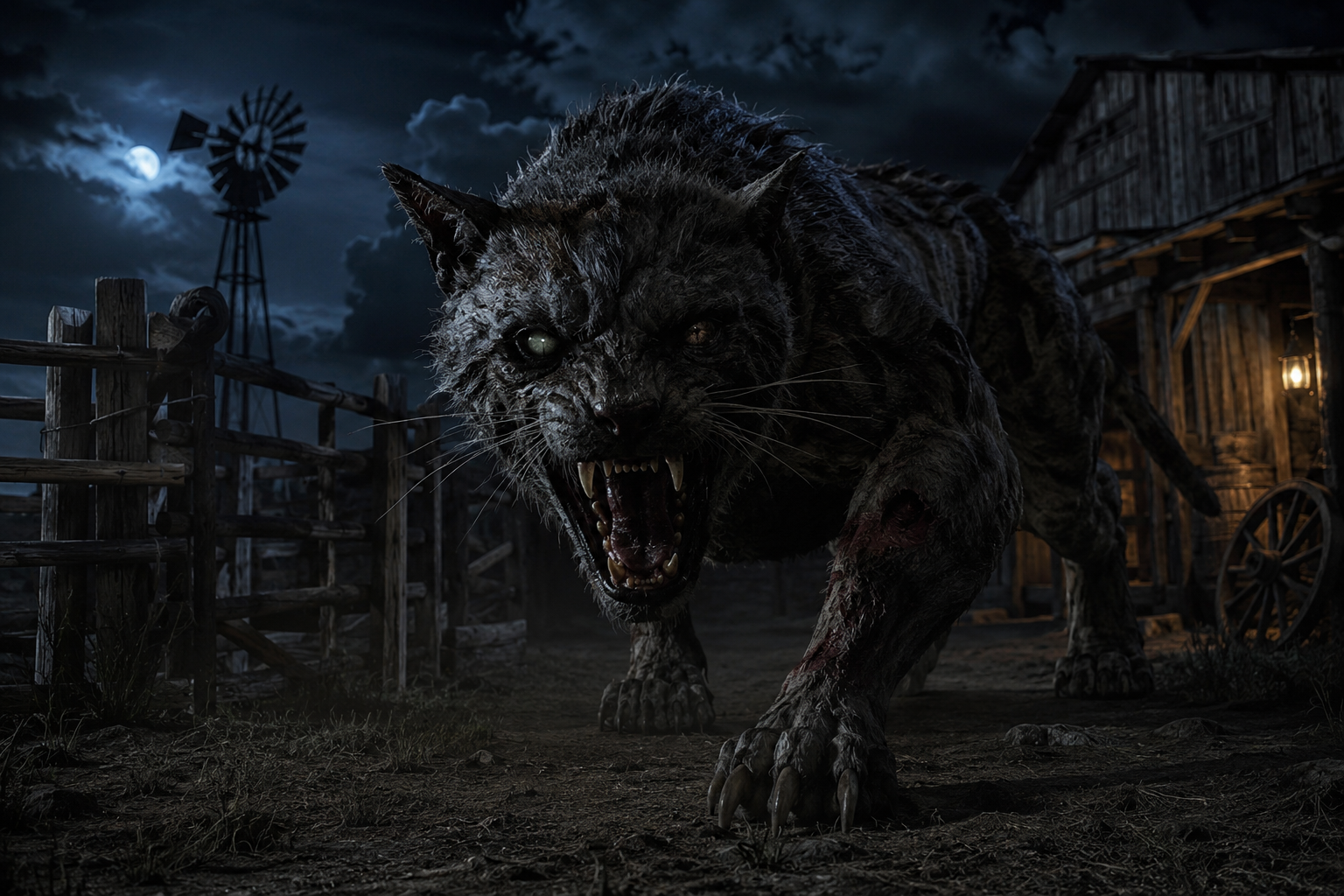
The frontier held more than stories of human vampires. Newspapers throughout Arizona, Utah, and Colorado published alarming reports of so-called vampire cats and other mysterious blood-drinking creatures that prowled ranches beneath the cover of darkness. Ranchers occasionally discovered livestock lying dead with surprisingly little visible injury, giving rise to rumors that something unnatural had fed upon them during the night.
These accounts mirror much older European traditions in which vampires rarely remained confined to human form. Throughout the folklore of Eastern Europe, supernatural predators could appear as wolves, black dogs, cats, owls, bats, or other nocturnal creatures. Some were believed to serve vampires, while others were thought to be vampires themselves wearing an animal guise. In either form, they moved silently through the darkness, leaving frightened communities to wonder what unseen thing had passed just beyond the reach of the lantern's light.

Blood Drinking for Health and Well Being
Not every frontier belief involving blood belonged to vampire folklore, yet many reflected humanity's ancient conviction that blood carried life itself.
During the nineteenth century, those suffering from tuberculosis, then known simply as consumption, sometimes drank the fresh blood of livestock in hopes that it would restore their fading strength. Though entirely separate from vampire legends, the practice reveals how deeply blood had become intertwined with ideas of vitality, healing, and survival.
Similar customs existed across Europe for centuries. Folk medicine frequently blurred the boundary between practical remedies and supernatural belief, allowing ideas about blood's restorative power to flourish alongside stories of creatures who stole that very life from others. Even when the vampire was absent, the symbolism remained.
Vampire Journalism
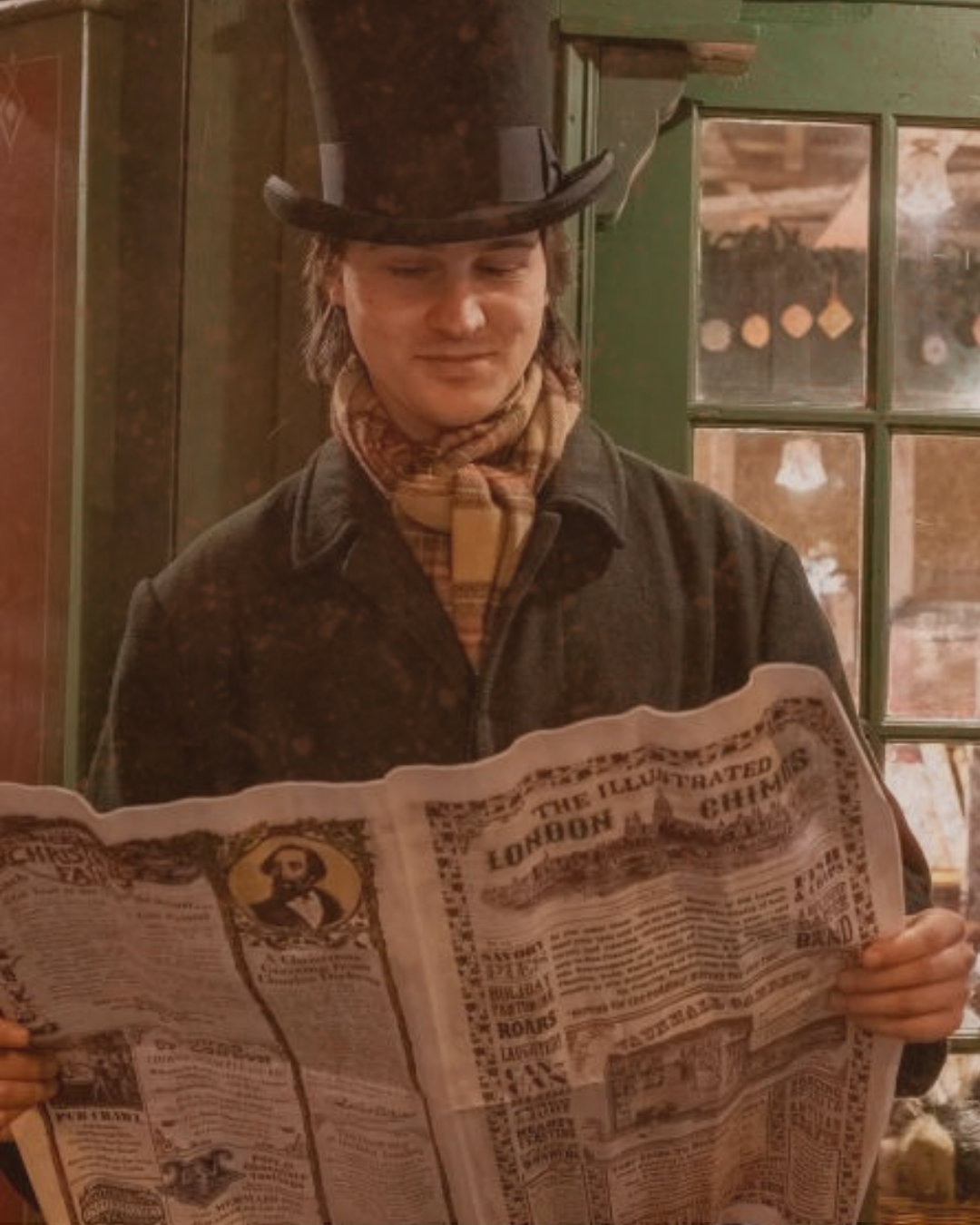
As the century progressed, the vampire escaped folklore altogether and entered everyday language. Frontier newspapers eagerly described ruthless murderers as vampires who preyed upon innocent victims as a Crimson Vampire. Corrupt businessmen, dishonest politicians, and greedy land speculators were accused of bleeding communities dry as Financial Vampires. Across the Atlantic, Victorian journalists employed the same imagery to describe those who prospered through exploitation and suffering.
The vampire had become something larger than a monster lurking within forgotten graveyards. It evolved into a symbol of greed, corruption, violence, and those who consumed the lives of others for their own gain. Even today, we still speak of emotional vampires and corporations that drain communities, repeating metaphors born from centuries of older folklore.
The Enduring Undead
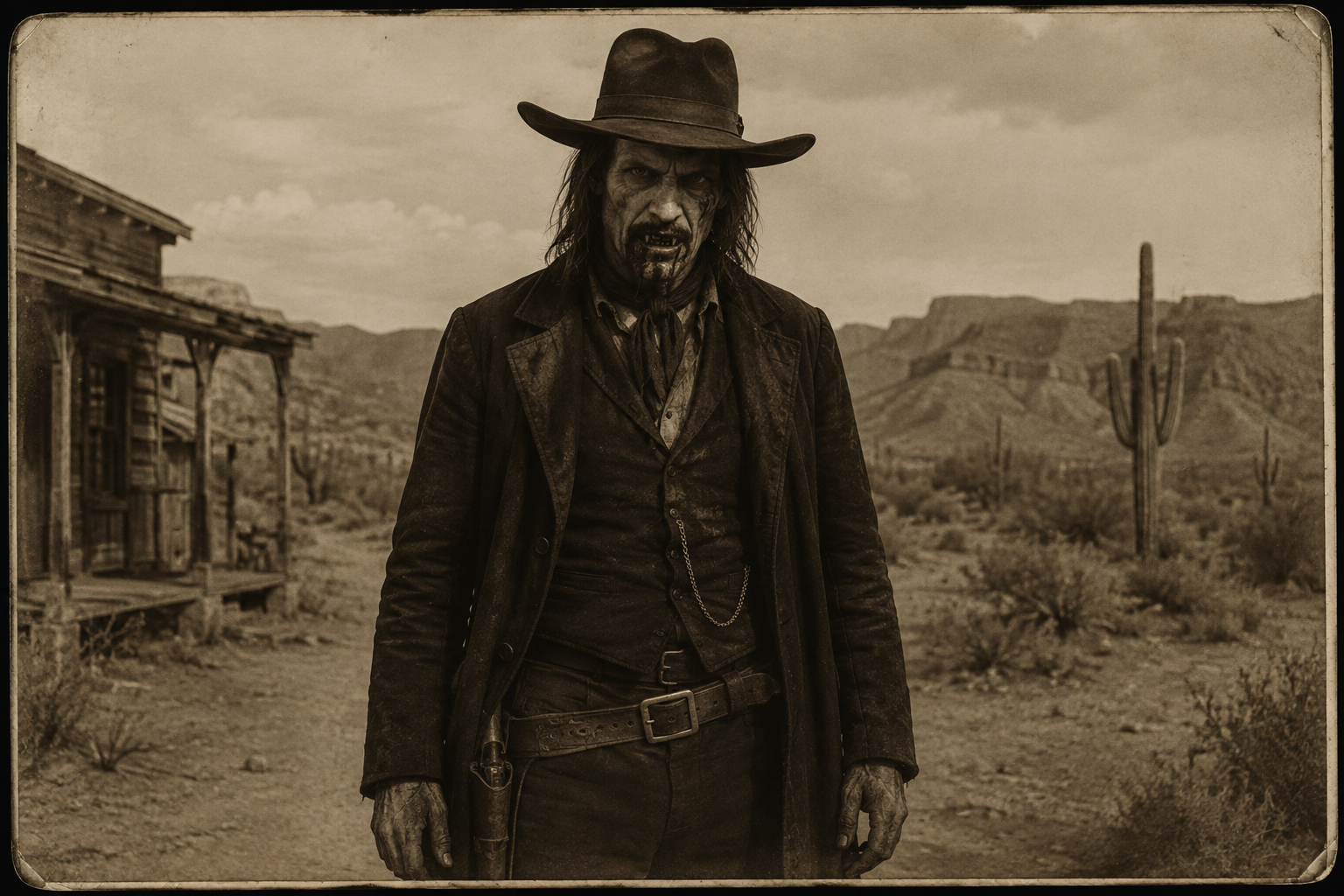
None of these stories emerged in isolation. They appeared during a remarkable period when ancient vampire traditions from Romania, Serbia, Greece, and the Balkans were spreading through Western literature. Carmilla introduced readers to the seductive female vampire in 1872. Dracula would forever define the aristocratic vampire in 1897. Yet while these fictional works captivated readers, newspapers across America eagerly embraced reports of unexplained illnesses, haunted landscapes, restless corpses, and mysterious blood drinkers, weaving Old World fears into the vast loneliness of the frontier.
The Wild West became fertile ground for ancient legends reborn. Long before Dracula stepped from the shadows of Transylvania, cultures throughout the world feared the restless dead. The Romanian strigoi, the Serbian vampir, the Greek vrykolakas, and countless other supernatural beings reflected humanity's oldest anxieties about death refusing to remain buried. The American frontier simply added another chapter to that enduring tradition.


Comments (0)
Login or Register to leave a comment.