Japan's Day of the Dead

Japan in August is wrapped in heat. The air hangs heavy between temple gates, cicadas sing from the trees with relentless determination, and as dusk settles over quiet neighborhoods, hundreds of paper lanterns begin to glow against the evening sky. Families gather outside their homes. Flowers appear on forgotten graves. Incense drifts through cemeteries that suddenly feel less lonely than they did only days before. To a traveler, it may look like a beautiful summer festival. To those who celebrate Obon, it is something far more intimate. For a few precious days each year, the ancestors are believed to return home.
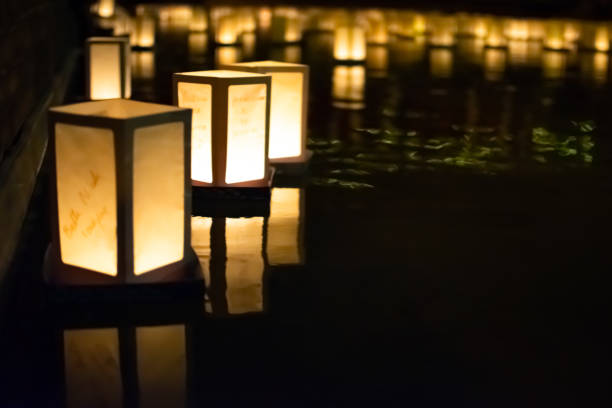
Following the Lantern Light
Obon is one of Japan's oldest and most cherished traditions, observed for more than five centuries. While celebration dates vary slightly depending on the region, most communities honor it in mid-August, when families return to their hometowns to welcome generations of loved ones whose lives continue to be remembered.
Unlike many festivals built around spectacle, Obon carries a quiet reverence. It is a homecoming shared between the living and the dead, where remembrance becomes celebration rather than mourning. As evening arrives, lanterns are placed outside homes and temples to guide ancestral spirits safely back to their families. For a few nights, the ordinary world feels just a little less ordinary.
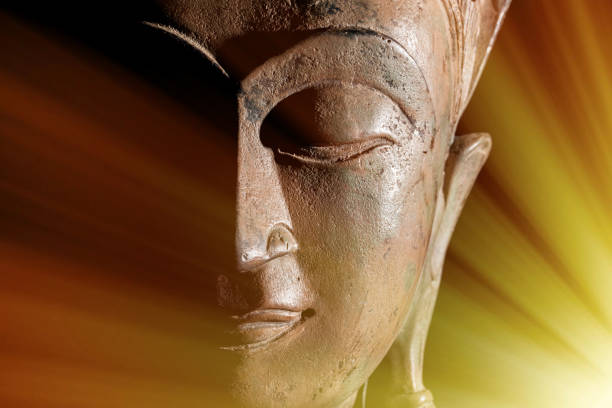
A Story That Began Long Before Japan
The roots of Obon stretch far beyond Japan itself. The tradition grew from the Chinese Ghost Festival, blending Buddhist teachings with older spiritual beliefs before eventually becoming uniquely Japanese. At its heart lies the story of Mokuren, one of Buddha's disciples.
According to Buddhist tradition, Mokuren used supernatural powers to search for his deceased mother, only to discover she had become one of the Hungry Ghosts, souls trapped in a realm of endless suffering. Desperate to save her, he turned to the Buddha for guidance.

The Curse of the Hungry Ghosts
Among the six realms of Buddhist rebirth, few are as haunting as the realm of the Hungry Ghosts. These unfortunate spirits are often depicted with swollen stomachs that can never be filled, while their mouths remain impossibly small and their throats painfully narrow. No matter how desperately they seek nourishment, satisfaction always remains beyond reach.
They are souls burdened by greed, attachment, or forgotten lives, condemned to an eternity of longing. The Buddha instructed Mokuren to prepare offerings of fruit, food, and prayers for monks of great virtue. Through these acts of generosity and compassion, not only would his mother find relief, but generations of ancestors could also be lifted from suffering. That belief became the spiritual heartbeat of festivals like Obon.
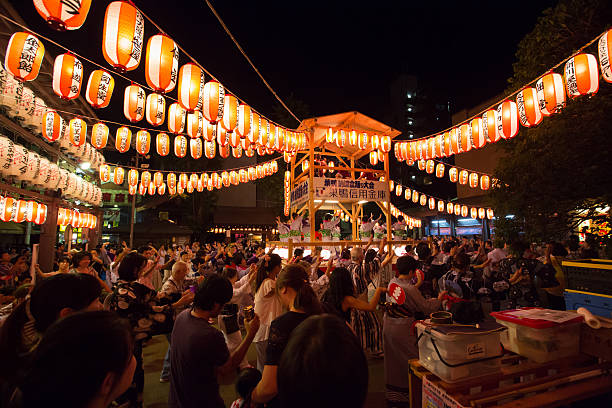
Dancing for Those Who Came Before
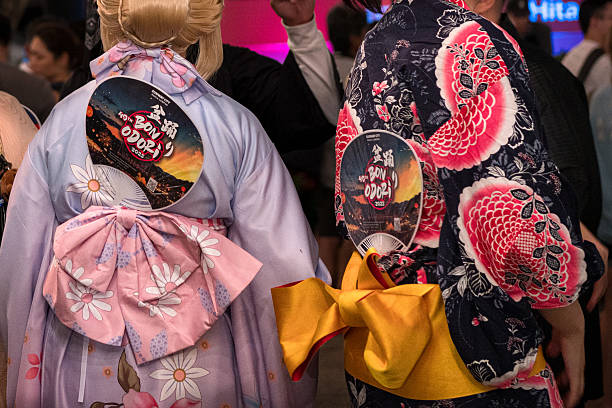
As the sun disappears below the horizon, another tradition begins. Across Japan, parks, temples, and town squares fill with the rhythmic sounds of drums as communities gather for Bon Odori. To visitors, it may seem like a lively summer dance.
In reality, every graceful movement is an expression of gratitude toward those who came before. Dancers move together in wide circles beneath illuminated towers, celebrating lives that made their own possible. It is joyful rather than mournful. It is a reminder that remembrance does not always require sadness. The atmosphere feels less like saying goodbye and more like welcoming family home.
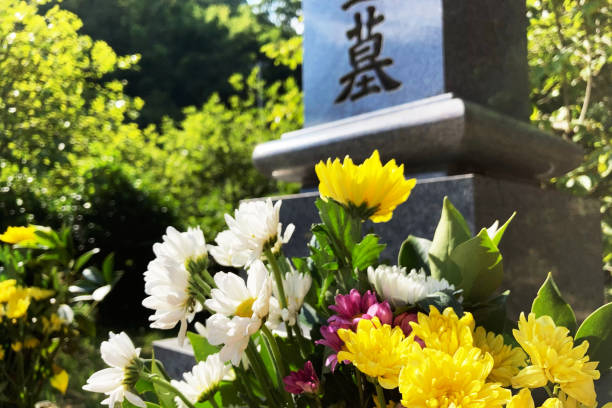
Among the Graves
Perhaps nowhere is the spirit of Obon more moving than in Japan's cemeteries. Entire families visit ancestral graves carrying flowers, incense, fresh water, and carefully prepared offerings. Headstones are gently cleaned, prayers are whispered, and memories are shared between generations.
Some families even enjoy small meals together beside the graves, believing departed relatives remain close enough to join the gathering. Rather than places of fear, these cemeteries become places of reunion.
When the Rivers Begin to Glow
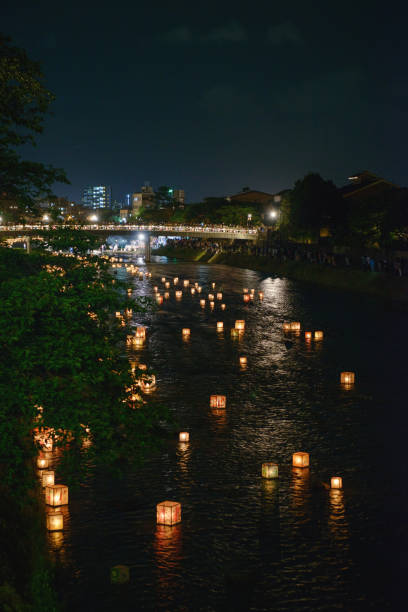
As Obon draws to a close, the lanterns begin their final journey. In many communities, delicate paper lanterns are released onto rivers or carried out toward the sea. Their gentle light drifts across dark water, symbolically guiding ancestral spirits back to the world beyond.
Watching hundreds of lanterns float silently into the night is one of Japan's most breathtaking summer traditions. Small lights dancing on the water. For a few moments, the river itself seems to carry memories downstream.
Japan's Season of Ghost Stories
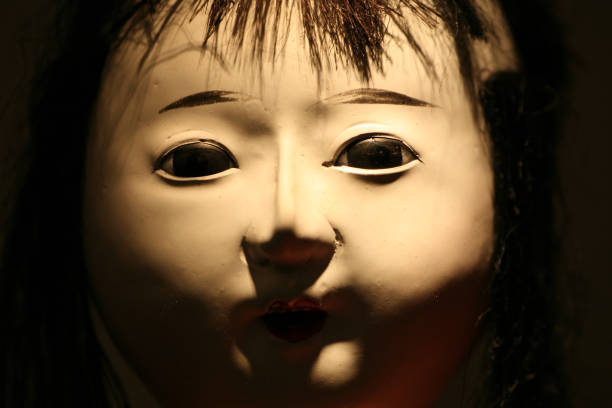
Although Obon focuses on honoring ancestors rather than frightening spirits, it arrives during a season already steeped in supernatural folklore. Summer has long been considered Japan's season of ghost stories, known as kaidan.
During the Edo period, people gathered after sunset to play a chilling game called Hyakumonogatari Kaidankai, or the Gathering of One Hundred Ghost Stories. A room would be lit by one hundred candles. After each tale of curses, restless spirits, or mysterious apparitions, a single flame was extinguished.
With every story, the room grew darker. By the final candle, tradition warned that something from the spirit world might be listening. Whether anyone truly expected a ghost to appear hardly mattered. The anticipation itself was enough to send chills through even the hottest summer night.
Where Memory Meets Mystery
Obon is often described as Japan's Festival of the Dead, but that title barely captures its heart. It is a celebration of family, gratitude, memory, and the enduring belief that those we love never truly disappear. For a few nights each summer, the distance between generations seems wonderfully small.
Travel through Japan during Obon, and you'll discover that its greatest beauty isn't found in fireworks or crowded festivals. It's found in the lantern quietly burning outside a family home. In the flowers resting on an old gravestone. In the gentle rhythm of dancers moving beneath the stars. And in the comforting thought that, perhaps just once each year, no one makes the journey home alone.


Comments (0)
Login or Register to leave a comment.