Ghost Month: When Asia's Streets Belong to the Spirits

There are places in the world where folklore isn't tucked away in old books or remembered only during festivals. It lives in the streets, drifts through the smoke of burning incense, and lingers in the silence between strangers who know better than to ask certain questions after dark.
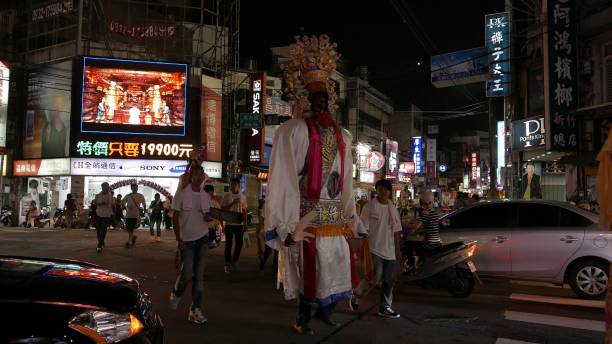
If you happen to travel through parts of East or Southeast Asia during the seventh lunar month, you'll quickly notice something feels different. Tables appear outside homes, piled high with untouched meals. Flames flicker from metal bins along sidewalks. Entire rows of seats sit conspicuously empty during lively opera performances. No one rushes to fill them.
Locals simply smile and say, "Those seats aren't for us." Welcome to Ghost Month.
A Month When the Living Share the Road
Ghost Month falls during the seventh month of the lunar calendar, usually arriving in August or early September. While the Hungry Ghost Festival marks its midpoint on the fifteenth day, the entire month is believed to exist under a different set of rules.
Ancient Buddhist and Taoist traditions tell of the gates of the underworld opening just enough for restless spirits to wander freely among the living. Some are beloved ancestors returning home for a brief visit. Others are less welcome forgotten souls, those who died violently, or spirits with unfinished business who have no family left to remember them. Whether you believe the stories or not, you'll find it's surprisingly easy to get swept up in the atmosphere.
Following the Smoke
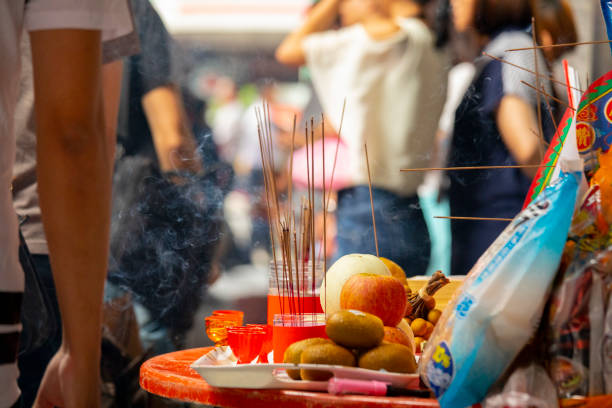
One of the first things visitors notice is the smell. The sweet scent of incense hangs in the humid air, often accompanied by the crackling sound of paper burning in roadside furnaces. Families carefully feed the flames with joss paper delicate sheets representing money, clothing, jewelry, even paper houses and luxury cars.
The fire is believed to carry these gifts into the spirit world, ensuring departed loved ones want for nothing. As evening falls, the glowing embers scattered throughout city streets create an almost dreamlike landscape, as though tiny doorways have opened between two worlds.
A Feast for Guests You Cannot See
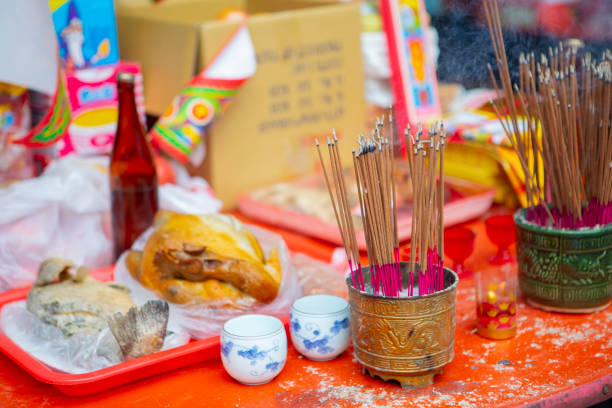
Walk through neighborhoods in Taiwan, Singapore, Malaysia, or Hong Kong, and you may stumble across elaborate tables overflowing with roasted meats, fresh fruit, cakes, bowls of rice, and cups of tea. The meals aren't abandoned. They're waiting.
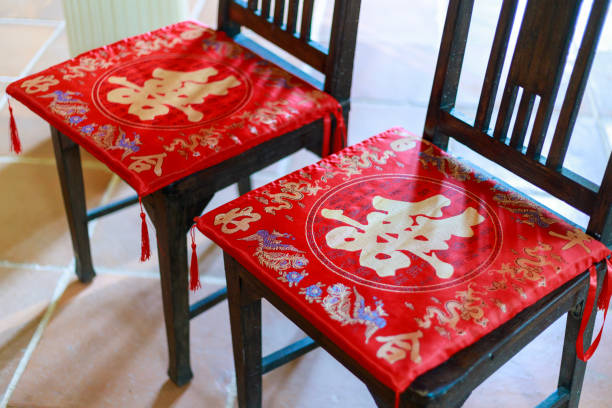
These offerings are prepared for wandering spirits who are believed to visit during Ghost Month. In many communities, entire banquets are held in the open air, complete with empty chairs reserved for invisible guests. No one touches the food until the spirits have been given the first opportunity to dine. It's less a performance than an act of quiet hospitality, one generation extending kindness to another that simply happens to exist beyond sight.
The Audience That Never Arrives
Perhaps nowhere is Ghost Month more surreal than at its evening performances. Street operas, puppet shows, and traditional concerts fill neighborhoods with music, colorful costumes, and dramatic storytelling. Yet the best seats remain vacant.
The front rows belong to the spirits. Visitors often make the mistake of sitting there before someone gently guides them elsewhere. It's one of the few moments when folklore feels unexpectedly tangible. Empty chairs become silent reminders that not every audience can be seen.

The Rules Everyone Knows
Ask enough locals about Ghost Month and the conversation inevitably turns toward the things you shouldn't do. People avoid swimming, believing wandering spirits beneath the water may pull the living under. Laundry is brought inside before nightfall so unseen visitors cannot attach themselves to clothing left outside.
Whistling after dark, wandering empty streets late at night, stepping over offerings, or beginning major life events like moving house, opening a business, or getting married are all considered invitations to bad fortune. Even among younger generations who laugh off superstition, many quietly follow these customs anyway. Just in case.
Why They're Called Hungry Ghosts
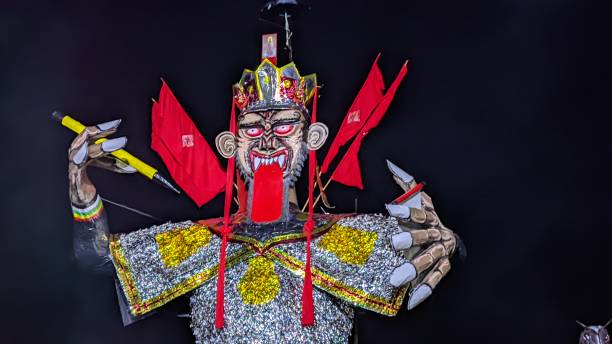
The spirits of Ghost Month are not monsters in the traditional sense. According to Buddhist and Taoist belief, hungry ghosts are souls trapped by endless longing. Some lived lives consumed by greed or cruelty. Others simply have no descendants left to remember them.
Without prayers or offerings, they wander between worlds in perpetual hunger, forever searching for comfort they cannot quite reach. The rituals of Ghost Month are acts of compassion as much as protection. Feeding forgotten spirits is believed to ease their suffering while bringing peace to both the living and the dead.
An Ancient Tradition in Modern Cities
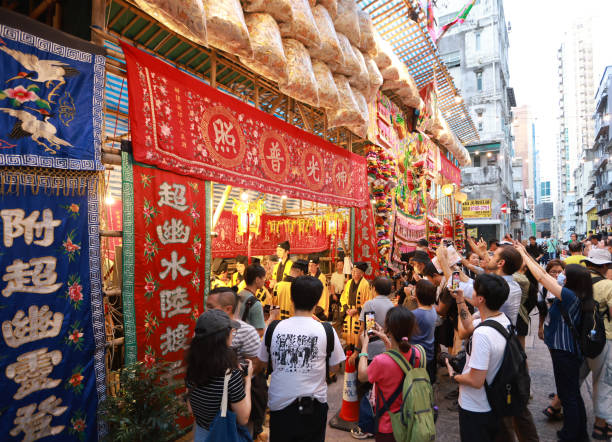
Perhaps the most fascinating part of Ghost Month isn't its ghost stories. It's how naturally they exist alongside modern life. Glass skyscrapers overlook temple courtyards filled with incense. Office workers pause before roadside altars on their commute home. Businesses quietly leave offerings outside their doors, while politicians and corporations sometimes postpone important announcements until the month has passed. The cities continue moving forward. They simply make room for those who came before.
Walking Carefully Between Worlds
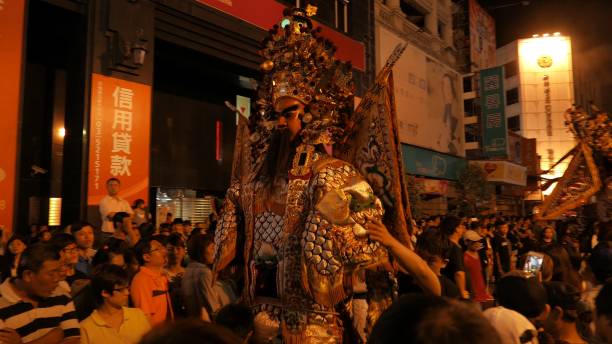
For travelers, Ghost Month offers something few cultural traditions still possess: an atmosphere that can't be recreated in a museum or history book. It's found in the smoke curling into the evening sky. In meals prepared for diners who never visibly arrive. In the empty opera seats, everyone respectfully avoids.
Whether you see Ghost Month as folklore, faith, or living history, it leaves you with an unsettling thought as you walk home beneath the lanterns. Maybe traditions survive for centuries because, every once in a while, someone catches themselves glancing over their shoulder just to make sure they're still walking alone.


Comments (0)
Login or Register to leave a comment.