The Haunted Summer

Summer is a time of sunshine and warmth. Long days by the water spent outside. But what if summer didn’t arrive? What if suddenly blue skies gave way to red and a persistent haze laden with rain and snow arrived instead? In 1816 this was the world’s reality. The sun didn’t shine. The sky turned red. Rain, snow and frost ruined crops. People starved. As fears rose riots exploded more violently than any other time.
Gothic Reality
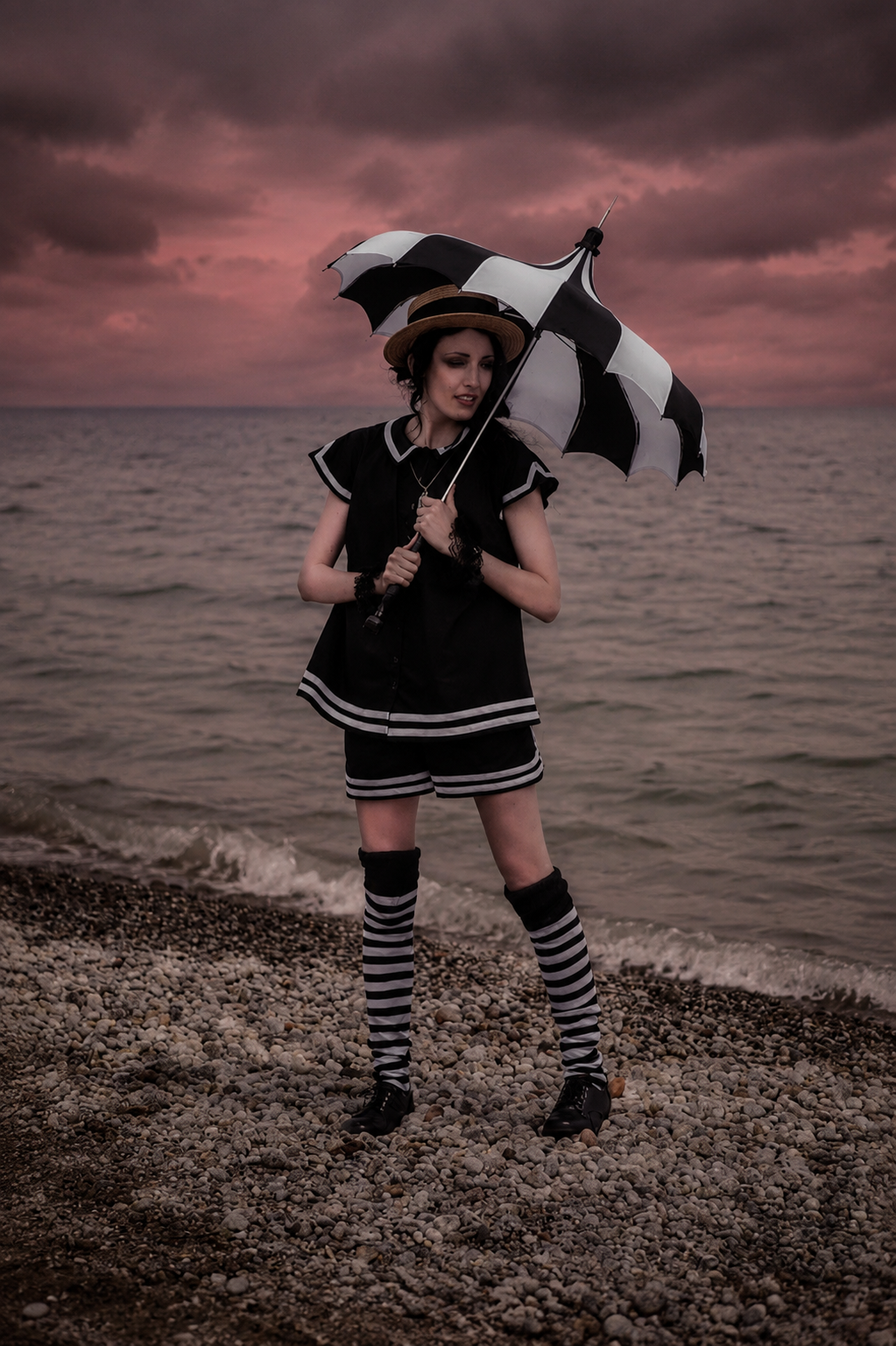
The gothic form was created in literature in the 1700s. Dark gloomy skies and frigid weather. People huddled in fear and suspicion. Then suddenly in 1816, these gothic landscapes became not a work of fiction to enjoy, but everyday reality. What happened?
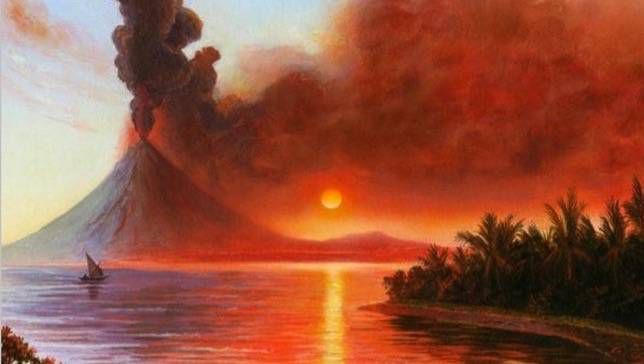
The few preceding years had seen volatile volcanic eruptions that had mildly changed the make up of Earths atmosphere. Then, in April of 1815, Mount Tambora on the island of Sumbawa in Indonesia erupted in one of the largest volcanic eruptions in recorded human history. he explosion devastated Sumbawa and neighboring islands, killing tens of thousands through the eruption itself and the famine and disease that followed.
More importantly for the rest of the world, Tambora blasted enormous quantities of sulfur-bearing material into the upper atmosphere. Sulfate aerosols spread globally and reflected sunlight away from Earth. And the world was plunged into and unnatural gothic winter when it should have been summer. And worst of all, no one knew why.
Strange Skies
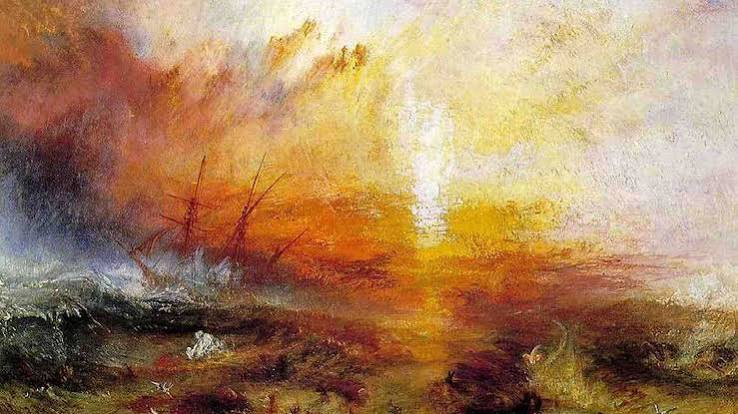
If you’ve ever visited a museum and seen those paintings of skies of red and purple, know that it was not creative license. That was what the artist saw in real life. A hazy weak sun with a storm on the horizon and the sky colored blood red.
Volcanic aerosols from the eruption produced spectacular sunsets, brilliant reds, oranges, purples, and strange atmospheric hazes. The paintings of J. M. W. Turner are sometimes discussed in connection with the volcanic atmosphere of this period.
Birth of a Monster
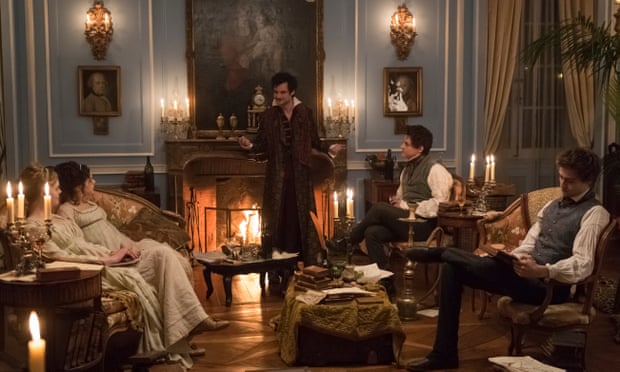
During the miserable summer of 1816, Lord Byron rented the Villa Diodati near Lake Geneva in Switzerland. Nearby were Percy Bysshe Shelley, eighteen-year-old Mary Godwin—the future Mary Shelley, and Mary’s stepsister Claire Clairmont.
Byron's young physician, John William Polidori, was also present. The weather was dreadful. Rain and storms repeatedly confined the group indoors. Byron described the atmosphere in his poem Darkness, written that summer, imagining the extinguishing of the sun and the collapse of civilization: “I had a dream, which was not all a dream.”
Frankenstein
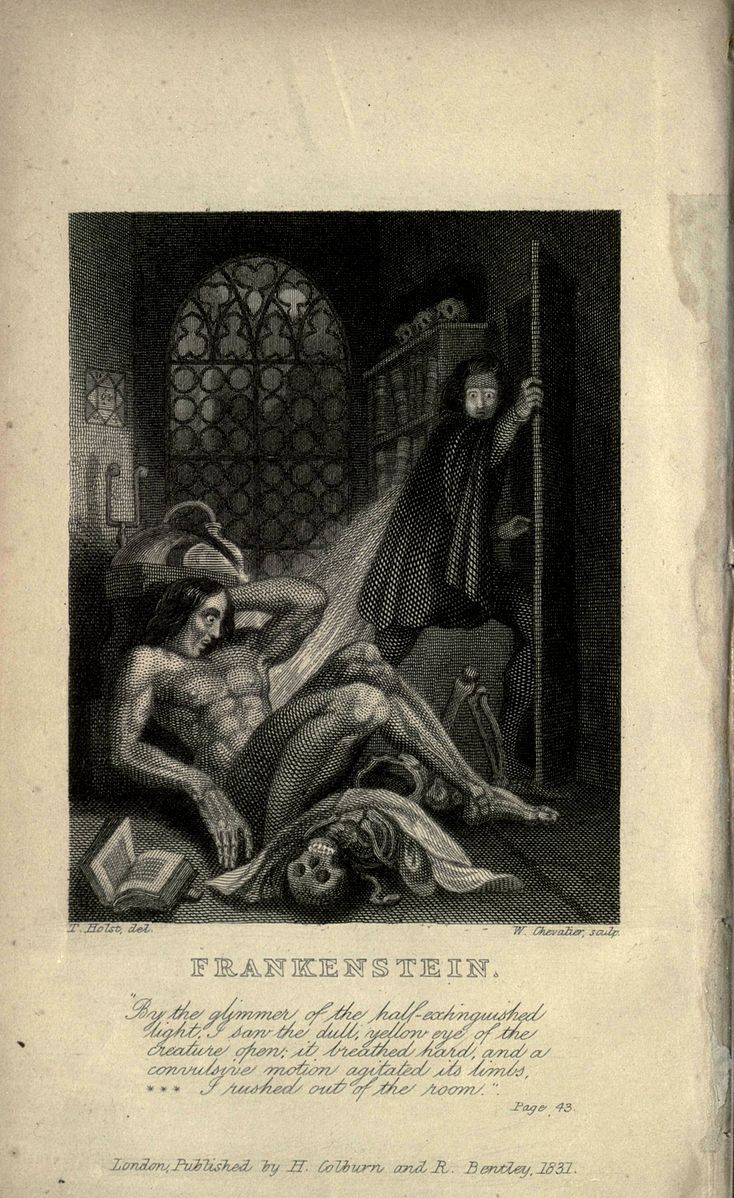
Mary Shelley created Frankenstein. Mary initially struggled to invent a story. Then she experienced the famous waking vision she later described: a student of forbidden knowledge kneeling beside the creature he had assembled and seeing it stir into life.
That vision became Frankenstein; or, The Modern Prometheus, published anonymously in 1818. And Frankenstein feels remarkably appropriate for 1816. It concerns humanity attempting to control nature and discovering that nature cannot so easily be controlled.
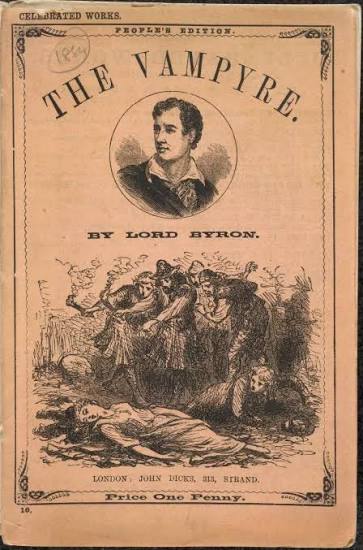
The Vampyre
During the same ghost-story challenge, Byron began a fragment about a mysterious aristocratic figure. Polidori subsequently developed his own story from the general premise. The result was “The Vampyre,” published in 1819. Polidori transformed the vampire. Its vampire, Lord Ruthven, was revolutionary.
Earlier European vampire traditions generally portrayed the revenant very differently. The folkloric vampire was often a dead member of the local community who returned physically from the grave. It might appear swollen, ruddy, bloated, or disturbingly healthy rather than elegantly corpse-like. It attacked relatives, neighbors, livestock, or entire villages.
In other words, the vampire entered the drawing room. From Ruthven runs a literary genealogy through nineteenth-century vampire fiction including Varney the Vampire, Sheridan Le Fanu's Carmilla, and ultimately Bram Stoker's Dracula.
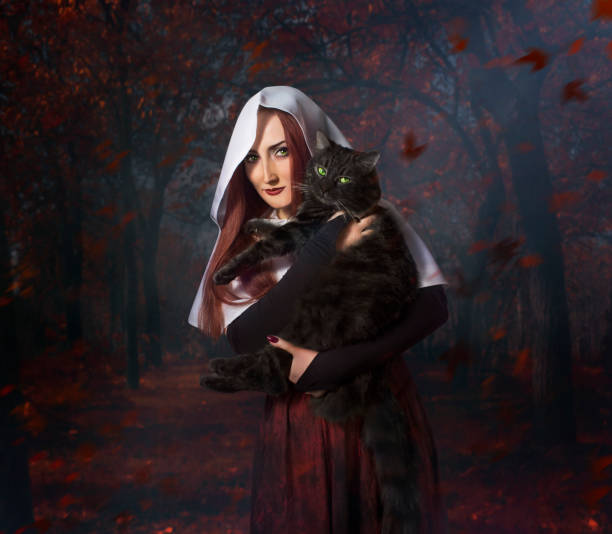
Witch Witch! You’re a Witch!
Perhaps it should come as no surprise but the last witch trial in New York took place during that summer. The witch in question was Jane “Naut” Kanniff, an eccentric widow in West Nyack, NY. How dare she dress boldly and gather herbs for medicinal use? She also had a black cat and a talking parrot. Then butter wouldn’t churn and cows stopped giving milk. Something that seems a rather reasonable response to the strange weather conditions and crop failures but sure lets blame a witch!
A group of local men organized what was essentially an informal witch trial rather than a legal prosecution. Kanniff was taken to a local mill and placed on a large scale opposite a heavy, brass-bound Dutch Bible. According to the folk belief behind the ordeal, if the Bible outweighed her, she was a witch. Kanniff outweighed the Bible and was released. The episode is traditionally remembered as the last witch trial in New York State, although our principal historical account was recorded decades later by Rockland County historian Frank Bertangue Green, so some details belong as much to folklore as documented history.
From Catastrophe to Mythology
A tragic cataclysmic event on the other side of the world plunged Earth into volcanic winter. It happened before. The 536 and 540 volcanic winters inspired the Ragnarök legends. Truth is often far stranger than fiction and these events shine a small light on that fact.
From tragedy, was born heroes and monsters. Humans adapt through stories. We always have and still do. When tragedy strikes in ways we cannot fathom stories begin to make the rounds. Today we call them conspiracy theories. But like folklore and myth, they are rooted in factual events. Humans are story tellers this is how we persevere.

Comments (0)
Login or Register to leave a comment.