Summerween: The Season of Ghosts, Fairies, and Ancient Summer Terrors

When we think of spooky season, our minds almost instinctively drift toward autumn. We picture crisp evenings, dying leaves, carved pumpkins, and the familiar thrill of Halloween. Summer, by contrast, is supposed to be bright, carefree, and filled with long days spent outdoors. But our ancestors may have seen things differently.
Long before Halloween became the world's most recognizable celebration of the supernatural, many cultures believed that the height of summer was one of the most magical and dangerous times of the year. Beneath the warmth of the sun and the beauty of blooming landscapes lurked ancient fears of wandering spirits, mischievous fairies, enchanted forests, and unseen beings that emerged when the days were longest.
In many ways, the modern idea of Summerween is not a new concept at all. It may have gained popularity through television shows, horror enthusiasts, and social media, but the strange marriage of summer and the supernatural have roots that stretch back centuries into European folklore and seasonal traditions.
The Summer Solstice: When the World Felt Different
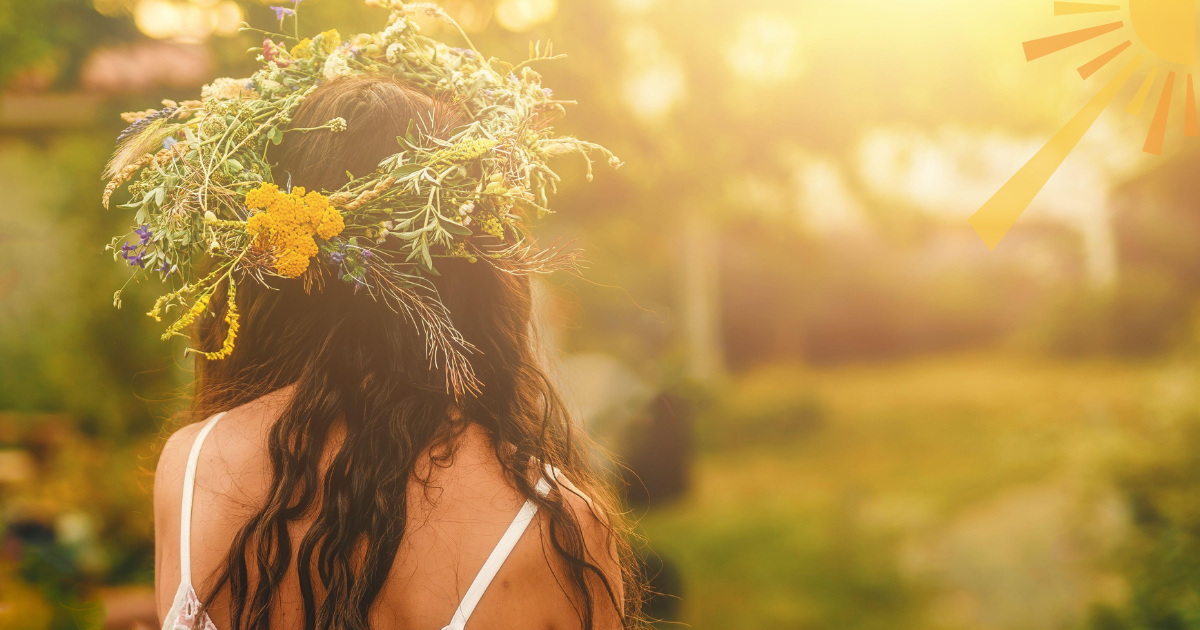
For people living in pre-modern Europe, the summer solstice was more than an astronomical event. It was a moment suspended between worlds. The longest day of the year carried a sense of wonder. Fields were lush, forests were alive with birdsong, and twilight seemed to linger forever. Yet that abundance also came with an undercurrent of unease. Ancient communities often believed that moments of transition sunrise and sunset, birth and death, the changing of seasons were times when the boundaries separating the human world from the supernatural became fragile.
Midsummer occupied exactly that kind of threshold. Across Scandinavia, the British Isles, and Eastern Europe, stories emerged about spirits wandering freely during solstice celebrations. Hidden treasures were said to reveal themselves. Certain plants became imbued with magical properties. Young people performed rituals to glimpse future lovers in dreams. It was a season of possibility, but also one of caution. The world felt just a little less certain after dark.
Following the Fairy Roads
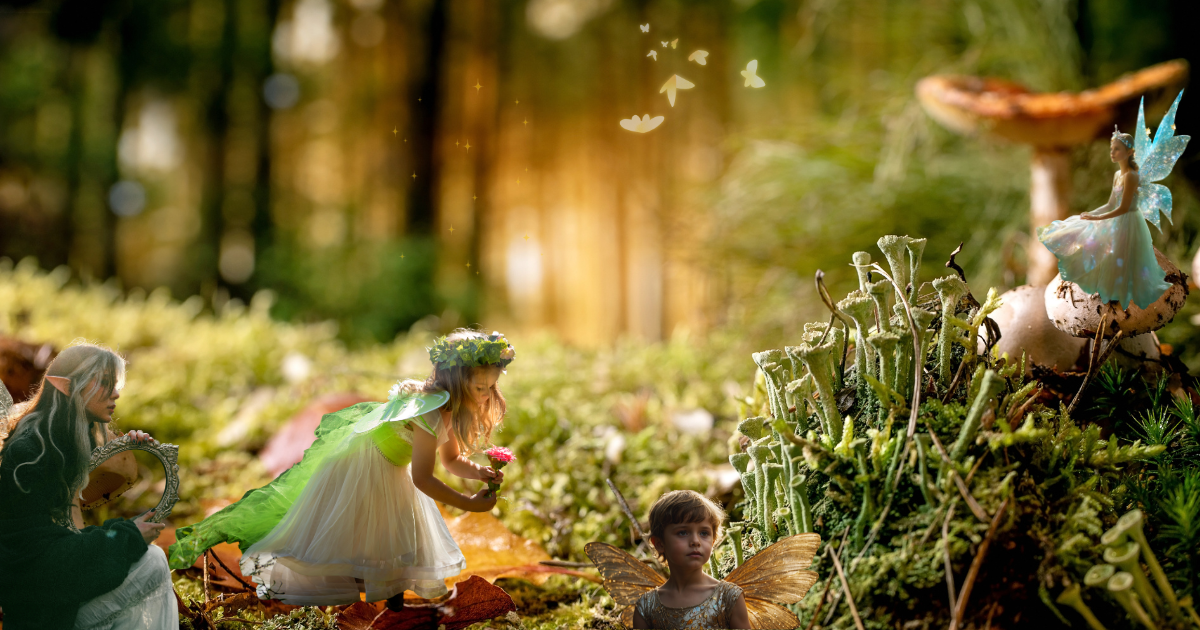
One of the most fascinating threads running through European folklore is the belief that fairies traveled along invisible routes that crossed the countryside. These were not the cheerful fairies of children's books. They were mysterious, powerful beings who existed somewhere between nature spirits and supernatural neighbors. People believed they moved through forests, over hills, and across ancient pathways on certain nights of the year, particularly around Midsummer.
There were stories of travelers hearing music drifting through the trees long after sunset. Others spoke of strange lights dancing in distant fields. Those who followed them often found themselves hopelessly lost or returning home with no memory of where they had been. Reading these tales today, it is hard not to see the connection to modern Summerween aesthetics. Lantern-lit forest paths, camping beneath the stars, and wandering into the woods after dark all carry echoes of these older beliefs. The difference is that our ancestors genuinely feared what might be waiting beyond the firelight.
When Summer Storms Brought Ghosts
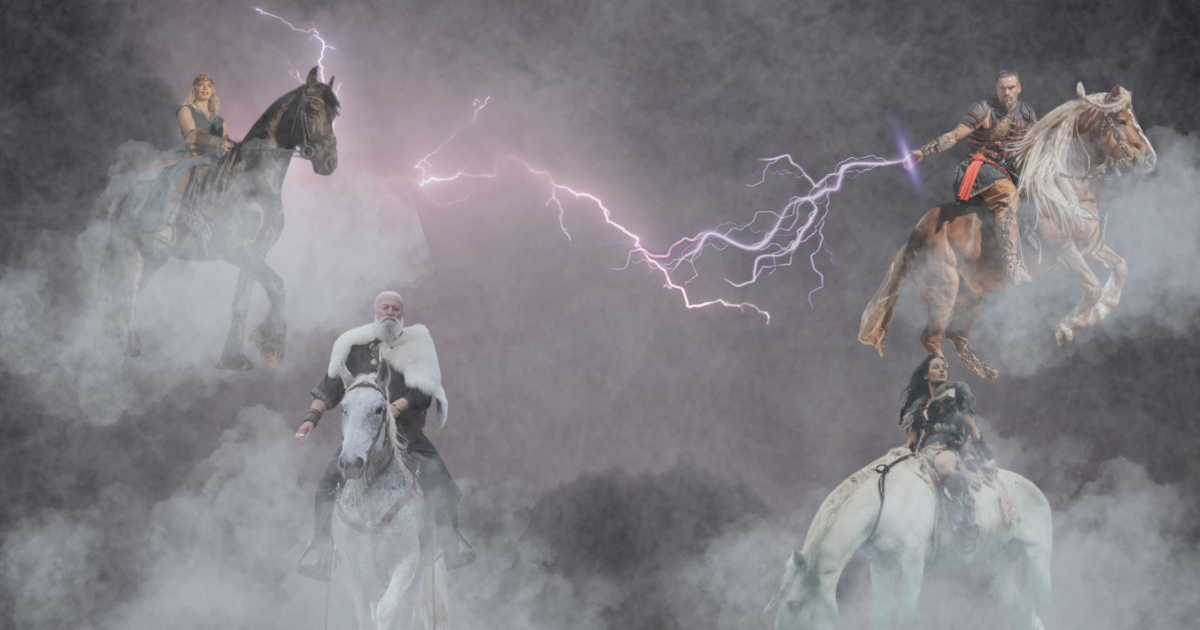
There is something uniquely unsettling about a summer thunderstorm. One moment, the world is bright and still. The next, dark clouds gather overhead, the air grows heavy, and distant thunder rolls across the landscape. For many communities in Northern Europe, storms were not simply weather events. They were signs that supernatural forces were on the move.
Legends of the Wild Hunt, an eerie procession of spectral riders racing through the sky, are often associated with winter, but some regional traditions connected these ghostly figures to violent summer storms. As thunder echoed across forests and lightning illuminated the horizon, people imagined spirits riding through the clouds above them. Standing on a porch watching a summer storm roll in, it is easy to understand why such stories endure for generations. Even today, there is something primal about the feeling that accompanies a darkening sky.
The Strange Terror of Summer Nights
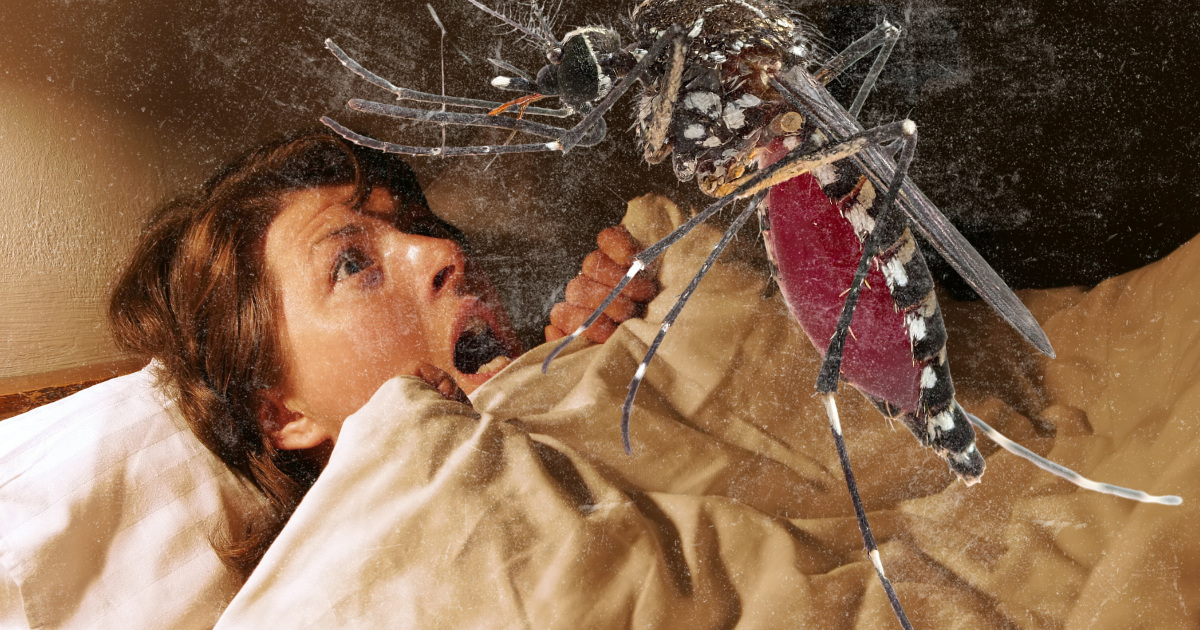
Not every summer haunting came from forests or storm clouds. Some arrived in the quiet hours of the night. The Scandinavian Mara, the creature responsible for the word nightmare, was believed to visit sleeping people and press down on their chests while they slept. Victims described waking suddenly, unable to move, overwhelmed by dread, and sensing a dark presence nearby. Modern science would identify many of these experiences as sleep paralysis. Yet for centuries, people interpreted them as encounters with something supernatural.
What makes this especially interesting is how often such stories are connected to warm weather. Long, uncomfortable summer nights disrupted sleep, creating the perfect conditions for vivid dreams and unsettling experiences. The result was a rich tradition of ghost stories and supernatural explanations that blurred the line between folklore and personal experience.

Spooky Summer Ties
Summerween may seem like a modern, lighthearted celebration, but at its heart it reflects something much older: humanity’s enduring habit of finding wonder, mystery, and meaning in the natural world. Long before electric lights and air conditioning, people watched summer storms gather on the horizon, listened to strange sounds in dark forests, and told stories about spirits, monsters, and unseen beings that might dwell just beyond the edge of the firelight. The season itself invites imagination thick woods, humid nights, flickering lightning, and the chorus of unseen creatures create an atmosphere where the boundary between the ordinary and the mysterious feels just a little thinner.
In this sense, Summerween is not merely Halloween moved to a warmer month. It is part of a timeless tradition of engaging with the unknown through story, celebration, and play. Whether we are sharing tales of lake monsters, forest spirits, haunted roads, or cryptids lurking in the mountains, we are participating in the same impulse that inspired folklore across cultures and centuries. These stories remind us that even in an age of satellites and smartphones, the natural world still holds pockets of mystery. Summerween offers a chance to celebrate that sense of wonder to step outside on a warm night, look into the shadows beneath the trees, and remember that the world has always been richer, stranger, and more enchanting than it first appears.

Comments (0)
Login or Register to leave a comment.