The Cutest Storm Deity You’ve Never Heard Of

It was a dark and stormy night. Isn’t that how all good stories begin?
As I write this, the wind is howling outside my window, the sky heavy with rain, and the temperature dropping just enough to make everything feel a little more alive almost watched. Storms have a way of doing that. They stir something ancient in us.
Naturally, this led me down a familiar path: storm deities. Traditionally, these beings are anything but gentle. They are tempests given form wrathful, powerful, and often terrifying. Gods who flood cities, split mountains, and remind humanity of its place. Growing up in the coastal South, I was surrounded by stories like these storms that felt like judgment, spirits that rode the winds.
So, imagine my absolute delight when I stumbled across Kasogonagá. A storm deity. Who is… adorable.
The Toba (Qom) People
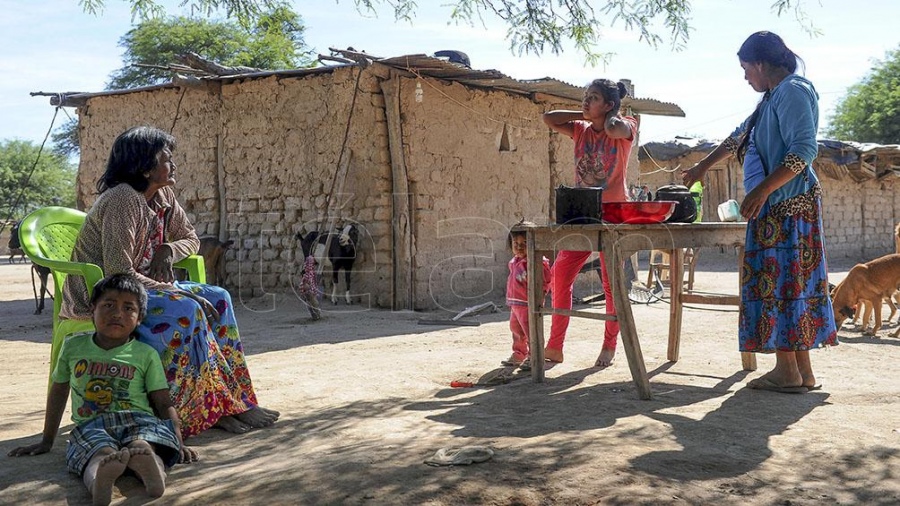
To understand Kasogonagá, we need to begin with the people who know her best. The Toba, more properly known as the Qom, are an Indigenous community of Argentina, living across vast lowland regions stretching over a million square kilometers. They are the largest Indigenous group in the country, with a cultural continuity that has endured despite centuries of pressure, displacement, and attempted erasure.
Their worldview is deeply animistic and shamanistic. They pray in communal huts open spaces where all are welcome and turn to shamans not just for spiritual guidance, but for healing. These healers practice something called zootherapy, using animal-based remedies, particularly fats, for medicinal purposes. In fact, over two hundred treatments are derived from around seventy-five animal species.
At first glance, this might seem purely practical. But beneath it lies something far more profound. In Qom belief, animals were not merely creatures they were once divine. Creators. Ancestors. Their essence still holds power. And that belief shapes everything.
Animism: A Living World
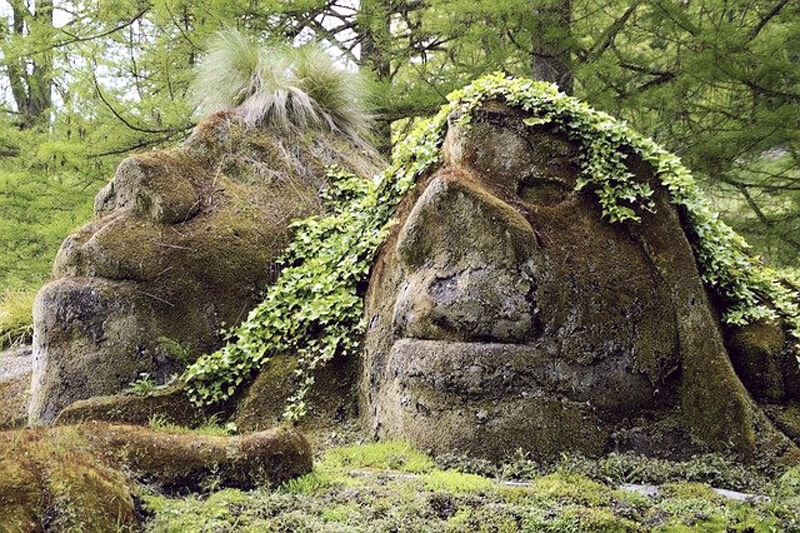
Animism is often described as the oldest form of spirituality, and while that is a broad claim, it captures something essential. It is the belief that everything possesses a spirit.
Not just animals or people but rivers, storms, stones, and tools. Even the objects we hold onto, the ones we cannot quite bear to throw away, carry a presence of their own. In this worldview, nature is not a backdrop. It is a community.
Humans, spirits, and the environment exist in a constant relationship, one that must be maintained carefully. When balance is disrupted, things go wrong. Illness. Drought. Conflict. This is where the shaman steps in not as a ruler, but as a mediator. And sometimes, as a listener. Because sometimes… the spirits speak.

Kasogonagá: The Storm That Smiles
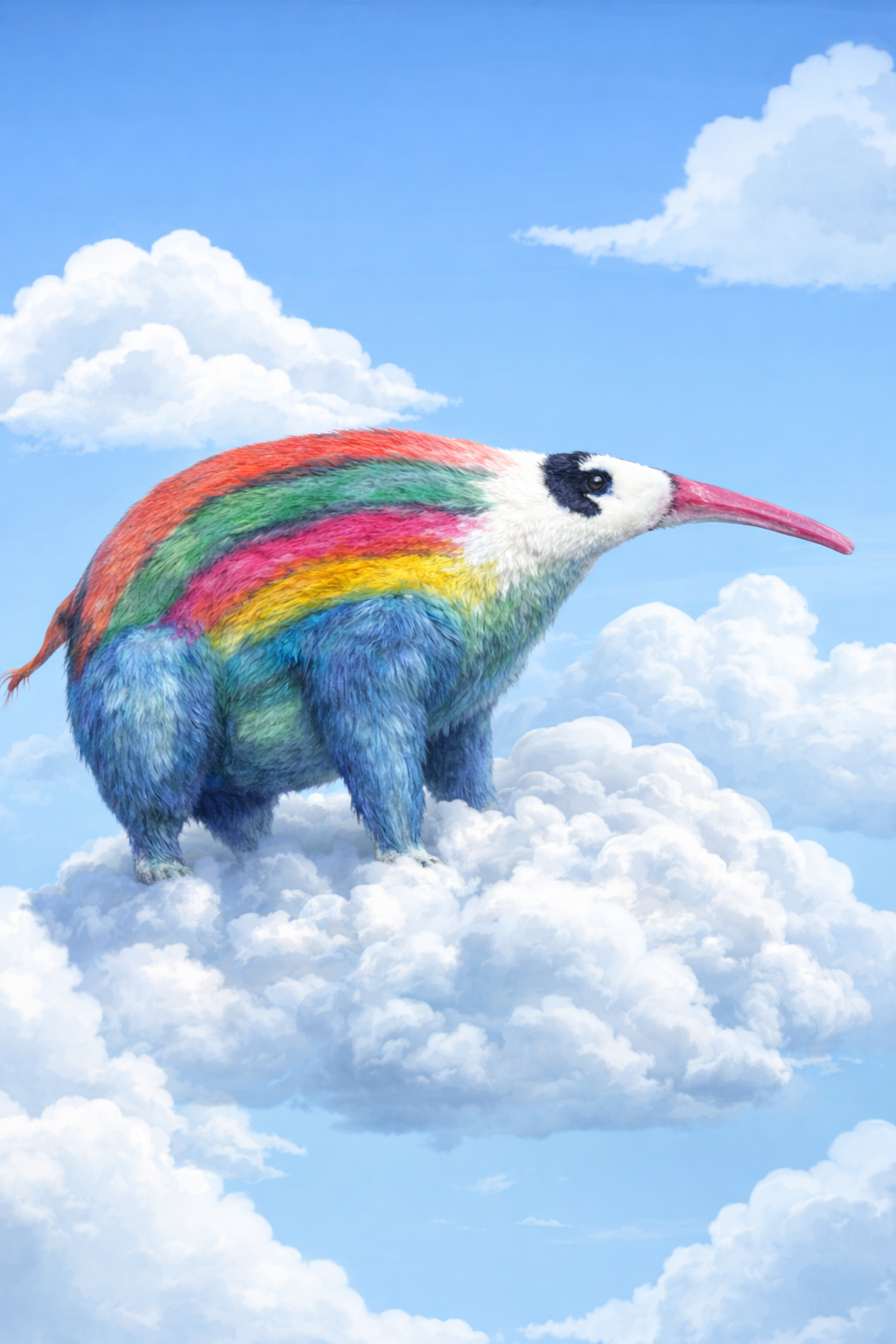
Enter Kasogonagá. A weather goddess who appears to shamans during trance states and meditations. Her form is as unusual as it is charming, often described as something between an elephant and an anteater, covered in bright, rainbow-colored fur.
And yes, she shoots lightning from her mouth. There is something wonderfully contradictory about her. She is both storm and softness. Power and whimsy. A creature that could level the land… but chooses not to.
She lives in the sky, most likely on a cloud, an image that feels almost too perfect. You cannot help but imagine it: a soft, floating home, drifting above the world, filled with color and quiet thunder. But like many deities, she is reachable.
One story tells of a man who found her after she had fallen from the sky. Injured or stranded, she asked him for help not through force, but simply by asking. She requested that he build a bonfire so she could ride the rising smoke back to her cloud. He did. And in return, she gifted him rain and more importantly, the power of a shaman. A storm deity who rewards kindness with transformation.

Showers of Kindness
Kasogonagá is not a distant or indifferent force. She is deeply involved, protective, responsive, and at times, quietly defiant. There are stories, many of them, where she intervenes on behalf of her people.
In one, six Qom women were captured and forced to march for “three moons” while their captors rode on horseback. Exhausted and desperate, they called upon Kasogonagá. That night, she answered. Under the cover of storm and chaos, they escaped.
In another account, authorities arrived to evict an Indigenous community. The people prayed and the skies responded. A violent electrical storm erupted, halting the police long enough for the community to organize and defend themselves. These are not just myths. They are reflections of lived history.
Since the arrival of Spanish colonizers in the 1600s, the Qom people have endured sustained attempts at assimilation, displacement, and control. Their stories, especially those of divine intervention, serve as both resistance and remembrance. Kasogonagá is not just a goddess. She is protection. Survival. Defiance wrapped in thunder.

Modern Worship: A Living Presence
Despite assumptions that such beliefs belong to the past, Kasogonagá is still very much present in Qom spiritual life. But “worship” here does not look like temples or offerings in the traditional sense. She is treated as a living force one that communicates, responds, and participates in the world.
Shamans still encounter her. Communities still call upon her. And according to those who follow her, she still answers sending storms during droughts, shielding activists, and reminding her people that they are not alone.

Other Surprisingly “Cute” Storm & Weather Beings
Kasogonagá is not entirely alone in this softer side of storm mythology. While many weather deities are fierce, a few across cultures carry a gentler, or at least more whimsical, edge.
Raiju (Japan)
A companion of the thunder god Raijin, Raiju is a lightning creature often depicted as a small, animal-like being sometimes resembling a weasel, cat, or fox made entirely of electricity.
Despite its association with lightning strikes, Raiju is often described as playful, bounding across the sky during storms. In some traditions, it even curls up to sleep in human navels (which… is both adorable and mildly unsettling).
Tlāloc’s Helpers (Aztec Tradition)
Tlāloc, the Aztec rain god, is undeniably fearsome but his attendants, the Tlaloque, are much smaller, childlike rain spirits.
They carry jars of rain, mist, and storms, breaking them open to release weather upon the earth. While their actions could be destructive, their imagery is often more mischievous than terrifying like celestial children playing with forces too big for them.
Perperuna / Dodola (Balkan Folklore)
Not a deity in the traditional sense, but a ritual figure Perperuna (or Dodola) is a young girl dressed in leaves and flowers who dances to call down rain. The image is striking: a living embodiment of nature, moving through the village as people pour water over her, invoking storms through rhythm and ritual. There is something undeniably gentle and hopeful about it a community asking for rain not through fear, but through beauty.
Amefuri Kozō (Japan)
A small yōkai associated with rain, Amefuri Kozō appears as a child carrying a lantern and wearing a straw hat, quietly walking through rainy streets. He does not cause destruction. He simply… accompanies the rain. A presence rather than a force.
A Different Kind of Storm
What makes Kasogonagá so compelling is not just that she is “cute.” It is that she challenges our expectations. Storms do not always have to be wrathful. Power does not always have to be terrifying. Sometimes, the forces that shape our world, the ones that shake the sky and flood the earth, can also be protective. Kind. Even gentle. Kasogonagá reminds us that not all storms come to destroy. Some come to protect. Some come to answer. And some… come wrapped in rainbow fur, riding lightning across the sky.


Comments (0)
Login or Register to leave a comment.