So, You Think You’re a Werewolf? A Practical (and Slightly Concerned) Guide to Lycanthropy

So, you’ve started waking up exhausted, there’s mud in your bed, your neighbors are avoiding eye contact, and someone definitely reported “a large animal” screaming behind your shed last Tuesday.
Naturally, your first thought is: Am I a werewolf?
Before you dramatically resign yourself to a life of moonlit howling and questionable dietary choices, let’s walk through this together. Because while lycanthropy has a long and fascinating folkloric history, it is… rarely what people think it is. Let’s begin.
Step One: Define Your Wolf Situation
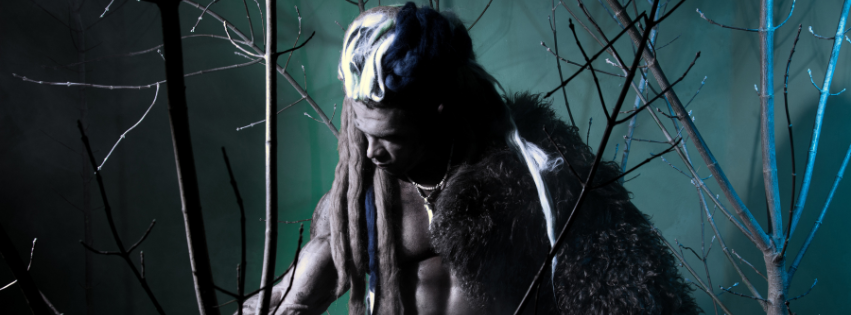
The first thing to understand is that “werewolf” is not a one-size-fits-all condition. Folklore across Europe and beyond offers a surprising variety of lycanthropic experiences.
In medieval France, the loup-garou might be cursed, punished, or even morally ambiguous. In Germanic regions, transformation could be tied to magical belts or wolfskins. In Slavic traditions, it might intersect with vampirism (because Eastern Europe does love a good supernatural overlap episode).
So, ask yourself:
- Are you transforming physically?
- Are you dreaming of transforming?
- Or are you just… deeply into wolves lately?
These are quite different situations.
Step Two: Check for Common Folkloric Causes
Contrary to modern films, most historical werewolves did not become wolves because they were bitten by another werewolf during a dramatic forest chase scored by orchestral music.
Instead, traditional causes include:
1. Curses
A classic. Perhaps you angered someone—possibly a witch, possibly a saint, possibly your neighbor Mildred who knows things she shouldn’t.
In many traditions, lycanthropy is a punishment. For example:
- In Breton lore, men become werewolves as penance for sin.
- In some Christian contexts, it’s tied to moral failing or divine retribution.
If you recently mocked someone, stole bread, or ignored a sacred boundary… well. Take notes.
2. Magical Objects
Before you panic, check your wardrobe.
Have you recently:
- Found a suspicious belt?
- Tried on an old fur garment that “just felt right”?
- Accepted a gift from a stranger who smiled too knowingly?
Germanic folklore is full of magical wolf-belts (Wolfsriemen) that allow transformation. Once worn, they’re not always easy to remove—physically or spiritually.
3. Born This Way
Some traditions claim lycanthropy is inherited.
Signs include:
- Being the seventh son of a seventh son
- Being born under specific lunar conditions
- Being born… just slightly off, in ways your family refuses to explain
If your relatives have always been oddly quiet about Uncle Henrik’s “night walks,” you may want to revisit some family history.
4. Witchcraft (Self-Inflicted or Otherwise)
In early modern Europe, many accused werewolves were also accused witches. In some cases, people claimed they transformed using salves, rituals, or pacts. Important note: sometimes this transformation was believed to be spiritual rather than physical meaning your body stays in bed while your spirit goes off to do… wolf-related activities.
If you’ve been experimenting with herbal ointments labeled “DO NOT USE DURING FULL MOON,” we need to talk.

Step Three: Evaluate Your Symptoms
Let’s go through a checklist.
You might be a folkloric werewolf if:
- You experience uncontrollable rage tied to lunar cycles.
- You black out and wake up elsewhere (forest optional, but common)
- You have recurring dreams of running on all fours with alarming clarity.
- You feel an intense pull toward wilderness or raw meat (please don’t test this impulsively)
You are probably not a werewolf if:
- You just like hiking
- You own multiple wolf-themed items from Etsy.
- You watched one documentary and felt “seen.”
Let’s be honest with ourselves.
Step Four: Understand the Transformation Itself
Hollywood has done irreversible damage here.
In folklore, transformation is rarely:
- Instant
- Clean
- Or reversible on a predictable schedule
Sometimes it’s gradual. Sometimes it’s partial. Sometimes it’s not even physical.
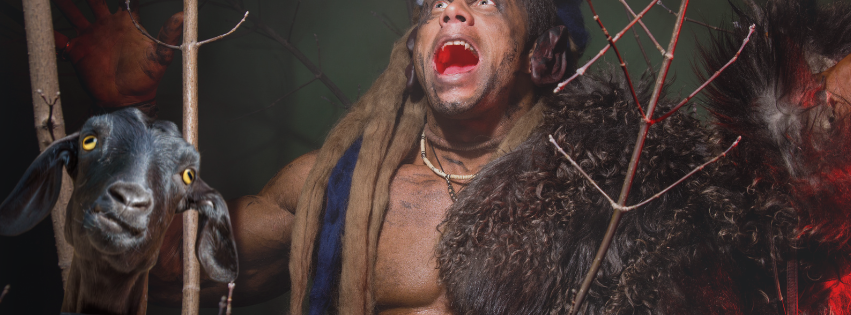
In certain accounts, the werewolf appears human but behaves like a wolf attacking livestock, roaming at night, and generally making poor social choices. In others, the transformation is complete, but the person retains human consciousness, which is honestly worse. Imagine being fully aware that you are currently chasing a goat.

Step Five: Social Implications
If you are dealing with lycanthropy, there are consequences. Historically, suspected werewolves faced:
- Trials
- Executions
- Very uncomfortable questioning
The famous case of Peter Stumpp (16th century Germany) is a prime example—though heavily shaped by hysteria, politics, and probably a great deal of exaggeration. In other words: being labeled a werewolf has never gone well. Modern equivalent: Your neighbors will absolutely start a group chat about you.

Step Six: Can It Be Cured?
This depends entirely on which tradition.
Possible “cures” include:
- Removing the magical object (if applicable)
- Religious intervention (prayer, confession, exorcism-lite)
- Breaking the curse (which may require very specific actions, such as surviving without harming anyone for a set period)
In some tales, simply calling the person by their true name during transformation can reverse it. So, if someone starts yelling your full birth name at you in the woods, maybe hear them out.

Step Seven: The Psychological Angle
Here’s where things get interesting.
Many historical cases of “werewolves” are now understood as:
- Clinical lycanthropy (a rare psychiatric condition where someone believes they are transforming into an animal)
- Extreme dissociation
- Cultural frameworks for explaining violent or unusual behavior.
In other words, folklore provided a language for experiences people didn’t otherwise understand. And that matters. Because even if you are not literally turning into a wolf, the feeling of transformation of losing control, of becoming something other has always been deeply human.

Final Assessment: Are You a Werewolf?
Let’s summarize.
You are likely not a werewolf if:
- You always remain fully human.
- You have not been cursed, enchanted, or born under suspiciously mythic circumstances.
- Your “symptoms” are explainable by stress, sleep disruption, or an overactive imagination.
You may want to look deeper if:
- You have consistent, unexplained behavioral gaps.
- Your experiences align closely with historical patterns.
- There are… witnesses.
You are definitely a werewolf if:
- You are currently reading this mid-transformation.
In which case, I admire your commitment to research.
A Final Note (From Someone Who Studies These Things)
Lycanthropy isn’t just about wolves.
It’s about the boundary between human and animal, civilization and wilderness, control, and instinct. It’s a way cultures have grappled with the parts of ourselves we don’t fully understand or don’t fully trust. So, whether you’re dealing with folklore, psychology, or just a very vivid imagination, the real question isn’t: “Am I a werewolf?” It’s: “What part of me feels like it could be?” And perhaps more importantly: “Did I, or did I not, leave that shed door open last night?”
Because if you didn’t, we may have a different kind of problem.

Comments (0)
Login or Register to leave a comment.