London's Train for the Dead

There was once a railway in London built to carry the dead. From a private station near Waterloo, coffins were loaded into specially designed railway cars. Mourners climbed aboard separate passenger cars. Then, with the funeral party assembled, the locomotive pulled away from London and traveled more than twenty miles into the Surrey countryside.
Its destination was not another town. It was a cemetery. For nearly ninety years, the London Necropolis Railway carried the dead to Brookwood Cemetery, a vast Victorian burial ground created to relieve London's dangerously overcrowded graveyards.
It sounds like the beginning of a ghost story. Yet the truth is more interesting. Viewed alongside older traditions of corpse roads, funeral paths, and journeys into the Otherworld, the railway resembles something ancient dressed in Victorian machinery. London had built a mechanical road for the dead.
A City Overflowing with Corpses
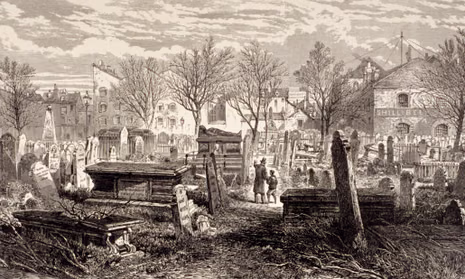
Nineteenth-century London was expanding rapidly, but its burial grounds could not keep pace. Generations of Londoners had been buried in relatively small churchyards and cemeteries. As the population grew, graves became overcrowded. Older remains could be disturbed to make space for new burials, while packed burial grounds sat among neighborhoods already struggling with sanitation and disease.
The problem became so severe that London's dead had become, quite literally, a problem for the living. The London Necropolis Company was conceived in 1849 with an ambitious solution: instead of continuing to squeeze the dead into London, they would create an enormous cemetery outside it. An Act of Parliament in 1852 allowed the company to purchase 2,268 acres of heathland near Woking in Surrey. Approximately 350 acres were initially developed for the cemetery.
It was conceived on an enormous scale not simply as another graveyard, but as a necropolis, a city of the dead. There remained one problem. How would the dead get there?
All Aboard the Necropolis Railway
Brookwood lay roughly twenty-three miles from London. Carrying coffins, clergy, undertakers, and entire mourning parties there by horse-drawn vehicles would have been cumbersome and expensive.
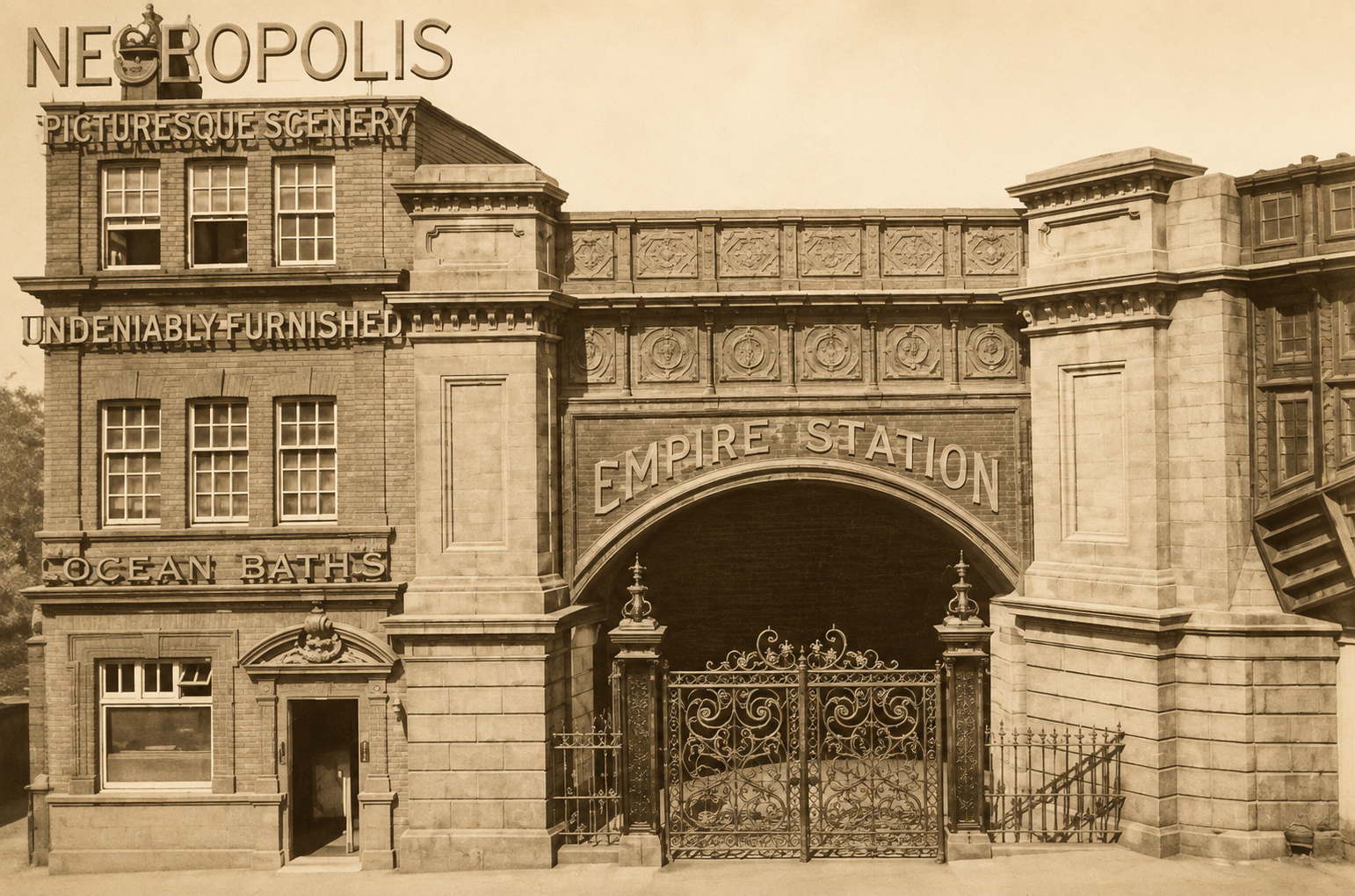
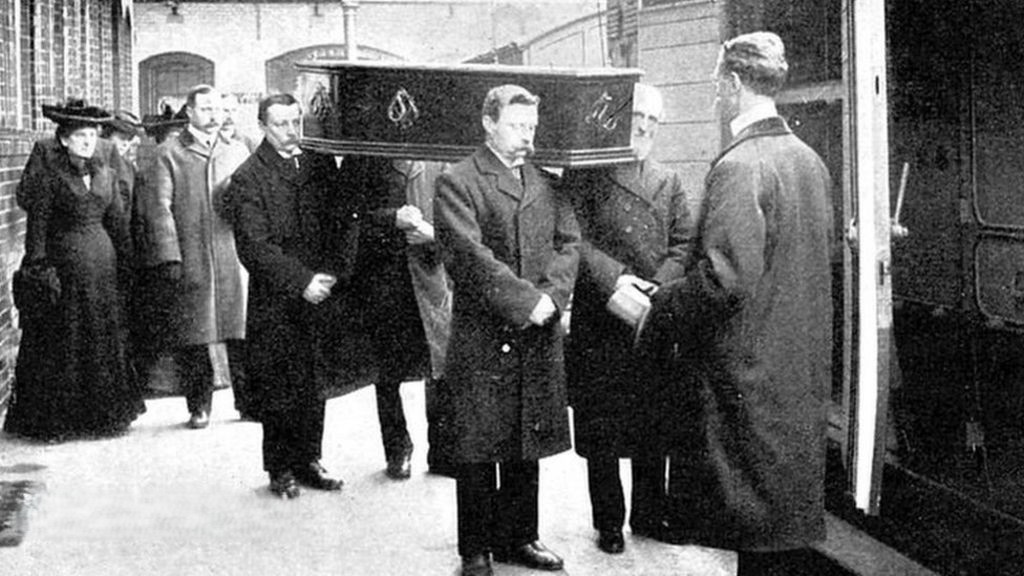
Victorian Britain already possessed the perfect solution: steam. The London Necropolis Railway began operating in 1854 from a dedicated London terminus near Waterloo. Coffins traveled in specially designed hearse cars while mourners rode in passenger accommodations.
The train joined the existing railway toward Woking before entering Brookwood itself. Inside the cemetery were two stations. One served the Nonconformist portion of the grounds; another served the Anglican side.
Here the journey reached its inevitable end. The mourners stepped down. The coffin was removed. After the burial, the funeral party eventually returned to the station. Then the living boarded the train back to London. The dead stayed behind. Few images capture the boundary between life and death quite as neatly as an empty place aboard a returning funeral train.
Even the Dead Traveled by Class
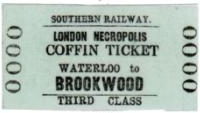
Victorian social distinctions did not disappear at death. The Necropolis Railway offered different classes of service, reflecting the same hierarchy familiar to ordinary Victorian railway passengers. Funeral arrangements varied according to what families could afford. Those who could afford better arrangements received them. Those who could not were provided with something considerably more modest.
Brookwood itself was carefully divided among religious denominations and London parishes. There is something grimly Victorian about the arrangement. Death may have reduced every passenger to the same final destination, but bureaucracy still knew where everyone belonged. Even the last railway journey carried the markings of the world being left behind.
The Ancient Corpse Road Reborn
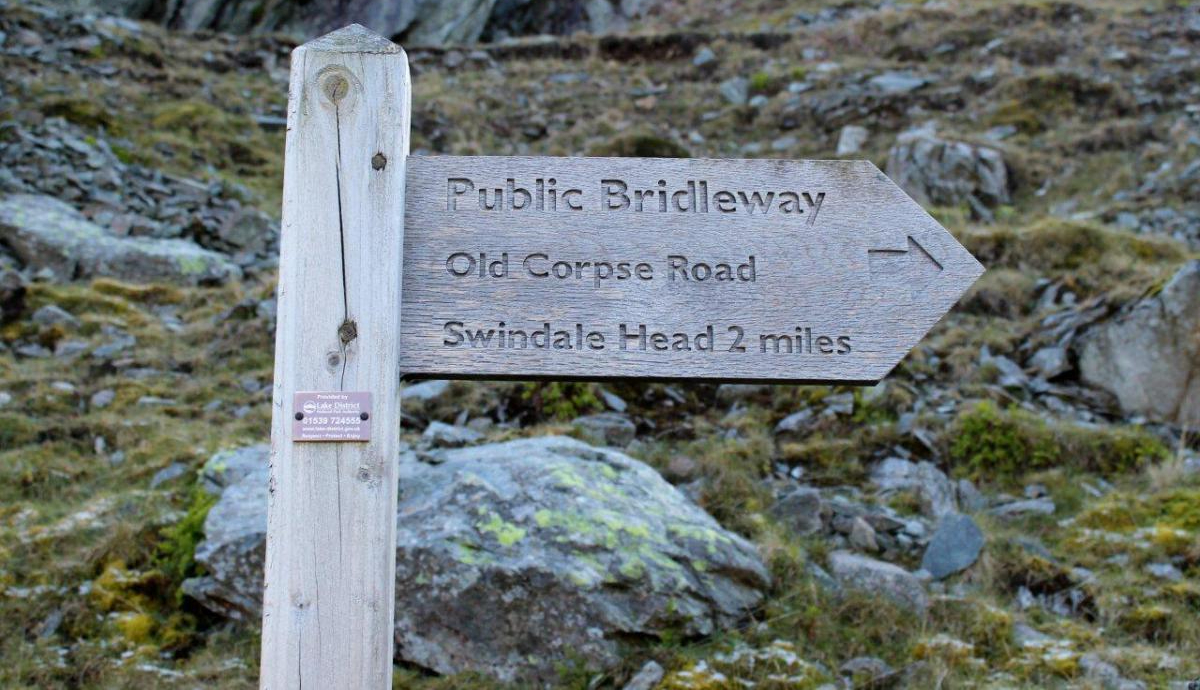
This is where history begins to brush against folklore. Across Britain and Europe, old traditions tell of corpse roads, funeral paths, church ways, and prescribed routes used to carry bodies to burial. Beyond these physical roads lies an even older idea: the journey of the dead from one world into another.
In Greek mythology, the dead cross water with Charon. Elsewhere, funerary traditions invoke ships, bridges, gates, rivers, roads, and guides. The details change, but the pattern remains remarkably familiar. death involves a journey. The dead leave the community of the living and travel somewhere else. Industrial Britain did not abandon that ancient pattern. It mechanized it.
When London’s Dead Were Displaced
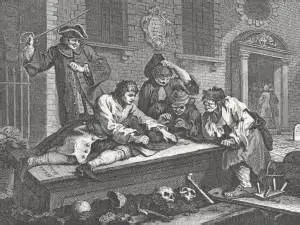
Some of those buried at Brookwood had already been buried once before. As London continued to expand, construction sometimes encountered older burial grounds. Human remains had to be removed and reinterred elsewhere, and Brookwood became one destination for these displaced dead.
The pattern has continued beyond the Victorian period as later infrastructure projects encountered historic burials. There is a dark symmetry to it. The cemetery had been created because London lacked space for its dead. Then, as the living city continued expanding, earlier generations of the dead were disturbed and pushed outward again. London grew. The necropolis received what the city displaced.
Murder Victims on the Necropolis Train
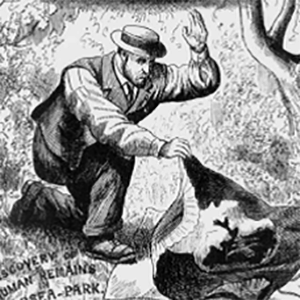
Among the countless passengers carried toward Brookwood were people whose deaths became part of one of Victorian London's darkest mysteries. During the late nineteenth century, dismembered human remains began appearing around London and the River Thames.
The unidentified killer responsible became known as the Thames Torso Murderer. The crimes remain unsolved. And at least two of the victims ended their journeys at Brookwood. Brookwood Cemetery's surviving records confirm that two victims associated with the Thames Torso murders were buried there and that the deceased arrived aboard the London Necropolis Railway.
It is difficult to imagine a more haunting intersection of Victorian history. An unidentified murder victim. A coffin. A railway platform in London. A train created exclusively for funerals. And finally, a grave within the vast Necropolis. Their killer disappeared into history as the railway carried the victims away.
The Last Train
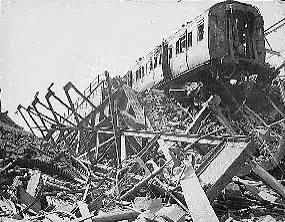
The Necropolis Railway survived until the Second World War, although its service had declined considerably. Then the Blitz reached the railway of the dead. The London terminus on Westminster Bridge Road was severely damaged during an air raid in 1941.
The dedicated funeral service ended that year and never returned. After nearly nine decades, London's train for the dead had completed its final journey. Fragments of its physical history survive, however. Brookwood Cemetery remains, as do traces associated with the old railway. The train disappeared. Its destination did not.
Ghost Train or Something More Interesting?
A story like this practically begs to become a ghost story. A funeral railway. Abandoned tracks. Victorian mourners. Thousands of corpses. An enormous cemetery. It would be quite easy to attach stories of spectral locomotives and phantom passengers to it.
But perhaps doing so actually makes the London Necropolis Railway less interesting. Its genuine history is stranger. There was no need for an imaginary ghost train. There really was a train filled with coffins leaving London for a city of the dead.

Comments (0)
Login or Register to leave a comment.